
 English
 русский
 عربى
Home / News / Industry News / Mechanical Items Examples: From Fasteners to Industrial Crusher Wear Parts
Mechanical Items Examples: From Fasteners to Industrial Crusher Wear Parts
At a quarry, a maintenance planner looking at a stopped jaw crusher usually asks a practical question: which parts on this machine are mechanical items, and which ones wear out first? The answer is broader than a list of tools. Mechanical items are physical components or assemblies that transmit force, guide motion, fasten parts together, control fluids, or resist wear. Examples include bolts, bearings, gears, shafts, couplings, linkages, springs, valves, jaw plates, conveyor idlers, and crusher liners. The useful way to classify them is by what they do in an assembly, not by whether they look simple or complex.
What Counts as a Mechanical Item?
A mechanical item can be as small as a washer or as large as a grinding mill trunnion. It becomes mechanically relevant when it carries load, controls movement, maintains alignment, seals a joint, or protects another surface. A purchasing list that mixes fasteners, power-transmission parts, and wear parts without separating their functions usually creates confusion later, because the acceptance criteria are different. A bolt is checked for grade, thread, length, and preload. A bearing is checked for bore, clearance, lubrication, and fit. A crusher jaw plate is checked for alloy, hardness, profile, and cavity fit.
The table below is a practical starting point for examples of mechanical items. It is not a complete taxonomy, but it separates common categories by function so that a maintenance team, buyer, or designer can ask the right questions before ordering.
| Category | Examples | Primary function |
|---|---|---|
| Simple machine elements | Lever, wedge, inclined plane, pulley, wheel and axle | Change force direction or magnitude |
| Fasteners | Bolt, nut, screw, rivet, washer, retaining ring, pin | Join parts and maintain preload |
| Power transmission | Gear, belt, chain, sprocket, shaft, coupling, clutch | Transfer torque, speed, or motion |
| Motion and control | Bearing, bushing, linkage, cam, spring, damper, guide | Guide movement and control position |
| Fluid and power control | Pump, valve, cylinder, hose, filter, seal | Move or contain fluids and pressure |
| Wear and protection | Jaw plate, liner, hammer, plate hammer, grinding ball, chute liner | Absorb impact and resist abrasion |
Everyday Examples of Mechanical Items
Everyday life is full of mechanical items that are easy to overlook. A door hinge is a mechanical item because it carries the door’s weight and controls rotation. A bicycle chain transmits pedaling force, while the derailleur guides the chain across sprockets. A car contains fasteners, bearings, belts, pulleys, brake calipers, shock absorbers, and steering linkages. A kitchen mixer uses gears, shafts, and a motor coupling. An office chair uses a gas spring, casters, and a five-star base.
These examples matter because they show why the same word—part—can hide very different requirements. A fastener may be judged by tensile strength and torque. A bearing may be judged by clearance and misalignment tolerance. A hinge may be judged by cycle life and finish. When a buyer compares quotes, the comparison should follow the function.
A bolt marked 8.8 is not interchangeable with a stainless bolt of the same thread without checking strength, corrosion resistance, and lubrication. A bearing with C3 clearance may be right for one shaft fit and wrong for another. A door hinge that works on a light interior door may fail quickly on a heavy exterior door. These are simple examples, but they reflect the same logic used in industrial purchasing: the item must match the duty, the interface, and the failure mode.
Industrial Mechanical Items in Crushing and Grinding
In heavy industry, mechanical items are often grouped by the equipment they serve. A crushing plant includes feeders, jaw crushers, cone crushers, impact crushers, screens, conveyors, chutes, and dust-control equipment. Each item has its own mechanical parts. A conveyor has idlers, pulleys, belts, bearings, and take-up units. A screen has side plates, cross members, decks, and vibrator bearings. A crusher has a frame, shaft, bearings, drive components, and replaceable wear parts.
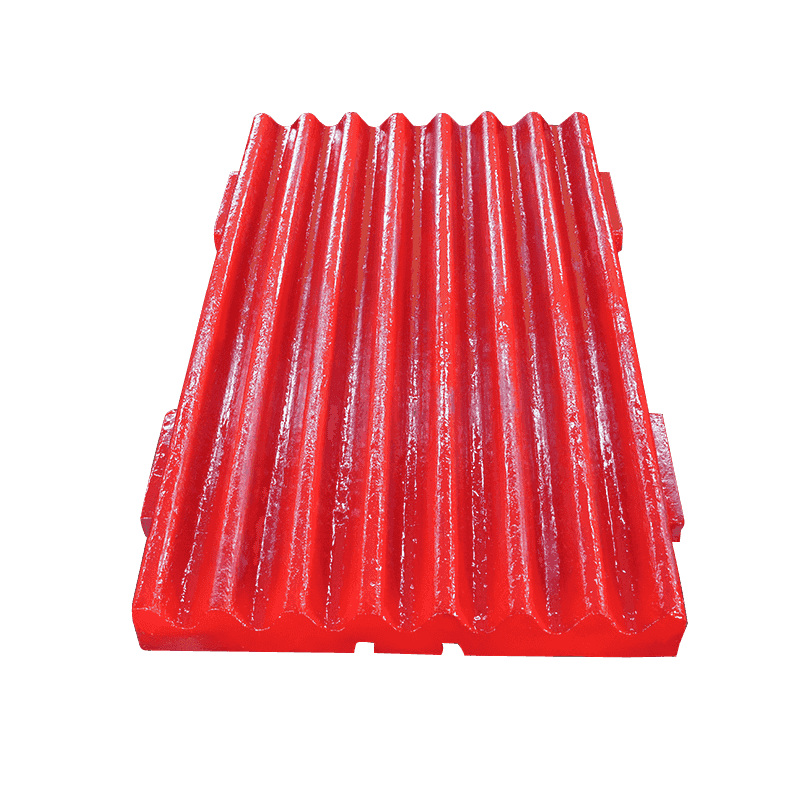
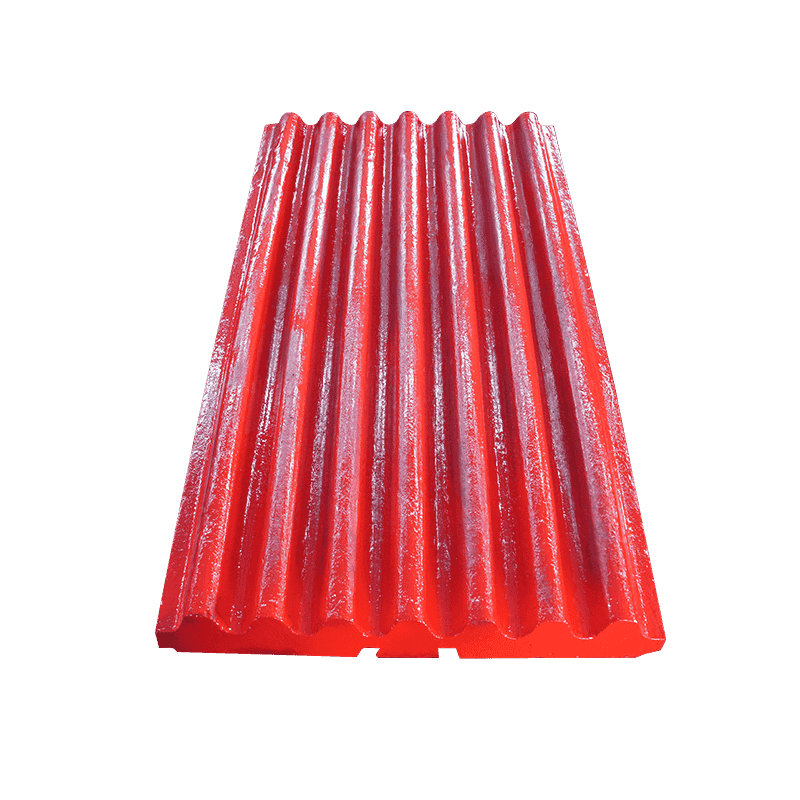
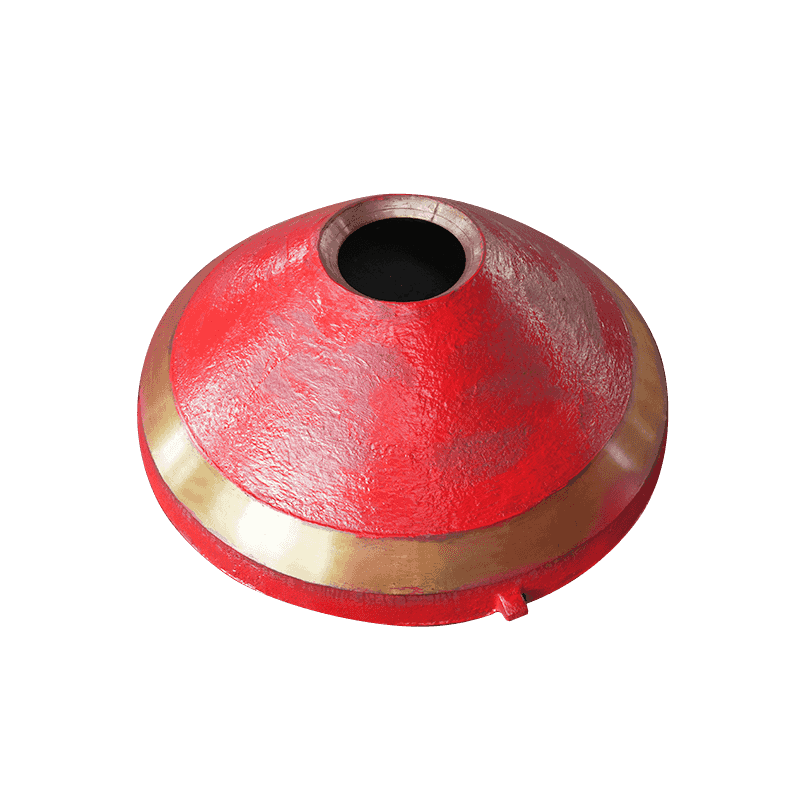
The wear parts are the examples most maintenance teams feel first. In a jaw crusher, the fixed jaw plate and movable jaw plate form the working chamber and take direct compression and abrasion. In a cone crusher, the crushing wall and mortar wall define the cavity and absorb high compressive loads. In an impact crusher, the plate hammer and impact liners handle high-speed strikes. In a vertical shaft impact crusher, the dividing cone, flow-channel plate, and peripheral protective plate guide material and protect the chamber.
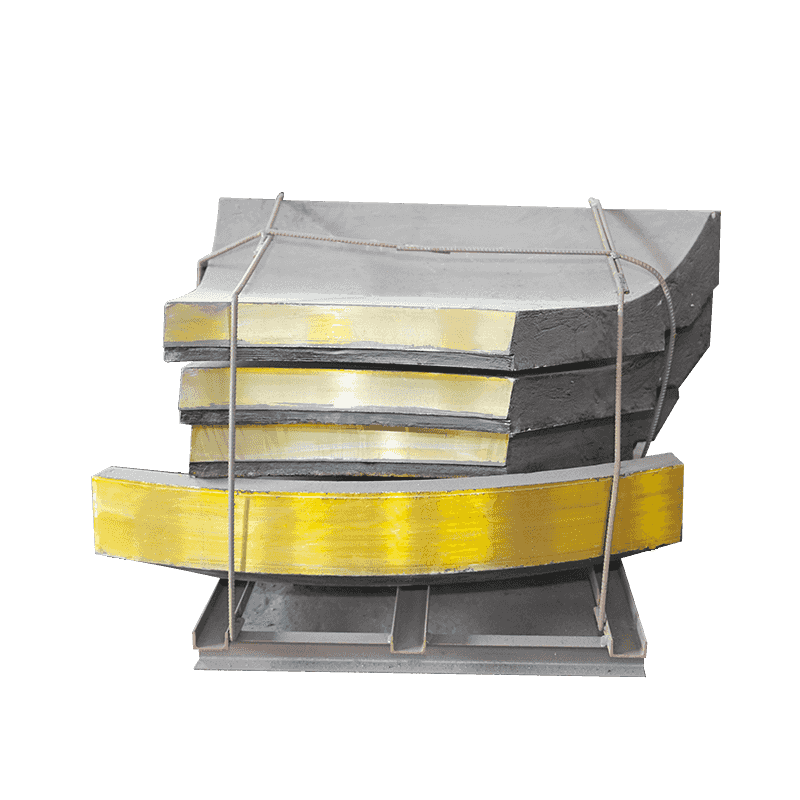
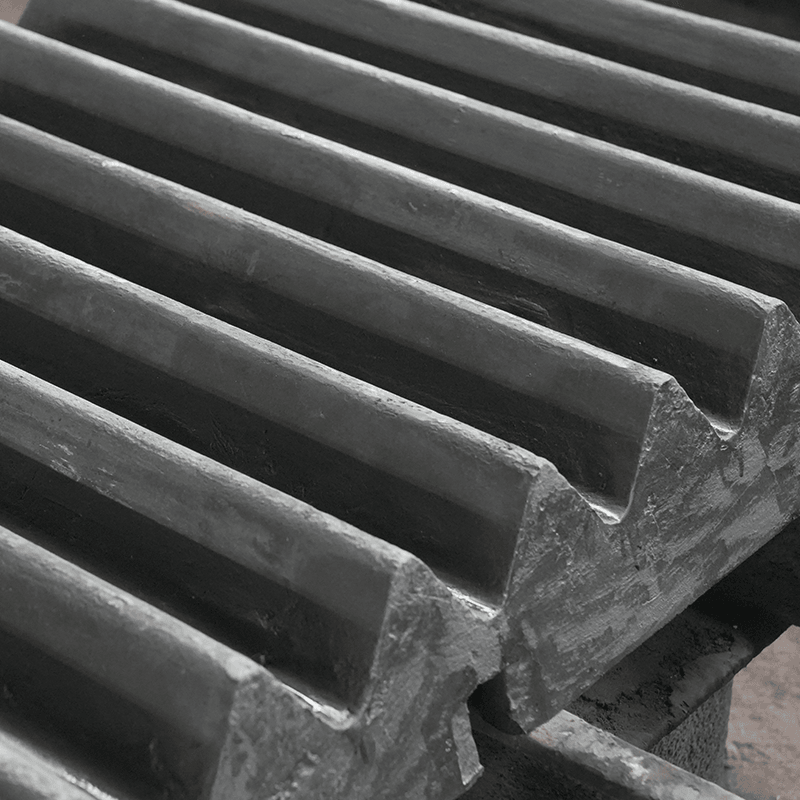 High Manganese Steel Fixed Jaw Plate for Jaw CrushersA wear part for jaw crusher working chambers, made from alloy high manganese steel for impact resistance and self-hardening wear performance.View Product →
These are mechanical items in the strict sense: they are physical components that transfer force and resist wear. They are also consumables, so their purchase decision combines mechanical fit with wear economics. A plate that is slightly wrong in profile can reduce throughput or raise power draw even if the alloy is correct. A liner that is too hard for a high-impact position may crack; one that is too soft may wear through early. For a broader comparison of high chromium and high manganese options, this guide to crusher castings explains how material choice changes wear life.
How to Tell Mechanical Items Apart When Buying
Buyers can avoid most surprises by checking five things: function, interface, material, wear mechanism, and documentation. Function tells you what the item must do. Interface tells you what it must fit. Material tells you what it is made of. Wear mechanism tells you how it will fail. Documentation tells you whether the supplier can repeat the result.
- Function: Is it fastening, transmitting torque, guiding motion, sealing, or protecting a wear surface? A wear plate and a structural plate may look similar but have different acceptance criteria.
- Interface: Check dimensions, tolerances, hole patterns, thread, keyways, and mounting faces. For crusher wear parts, check cavity profile, bolt holes, and backing requirements.
- Material: Ask for grade and heat-treatment condition, not just a trade name. For high manganese steel, work-hardening behavior depends on the application; for high chromium castings, hardness and toughness need to be balanced.
- Wear mechanism: Abrasion, impact, heat, corrosion, and fatigue call for different choices. A part that performs well in one chamber may fail in another.
- Documentation: Request inspection records, material certificates, and dimensional reports where the risk justifies them. For a low-cost fastener, a standard mark may be enough; for a crusher liner, traceability matters more.
The purchasing risk is usually not the item itself but the mismatch. A correct bolt in the wrong preload can loosen. A correct bearing on a damaged shaft can fail early. A correct liner in the wrong cavity can wear unevenly. The example list is therefore only useful when it leads to a check of duty, fit, and failure history.
Examples by Function: A Practical Checklist
Another way to answer “What are examples of mechanical items?” is to walk through a machine by function. This checklist works for a workshop, a plant, or a design review.
Fastening items include bolts, nuts, screws, washers, rivets, pins, and retaining rings. Power transmission items include gears, belts, chains, sprockets, shafts, couplings, clutches, and brakes. Motion-control items include bearings, bushings, slides, cams, linkages, springs, dampers, and guides. Fluid-control items include pumps, valves, cylinders, hoses, filters, and seals. Structure and protection items include frames, guards, brackets, wear plates, liners, and impact bars. Wear parts include jaw plates, cone crusher crushing walls, mortar walls, blow bars, hammers, grinding balls, and chute liners.
Each group has different buying signals. A gear is checked for module, tooth count, backlash, and lubrication. A seal is checked for media, pressure, temperature, and shaft finish. A crusher liner is checked for alloy, hardness, profile, and fit. Treating all of them as “mechanical items” is correct in a broad sense, but it is not useful for inspection or purchasing.
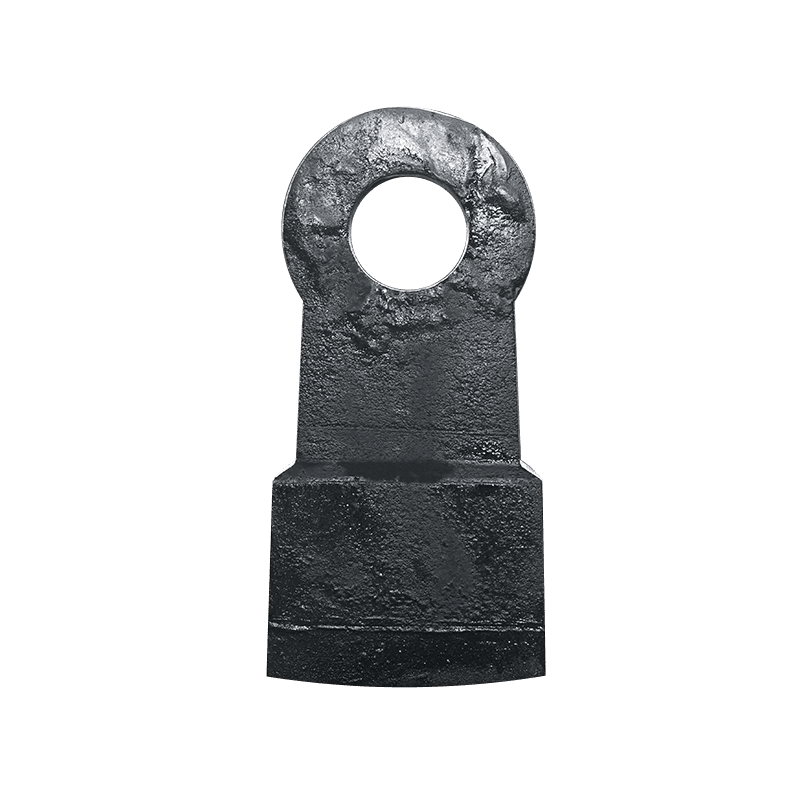
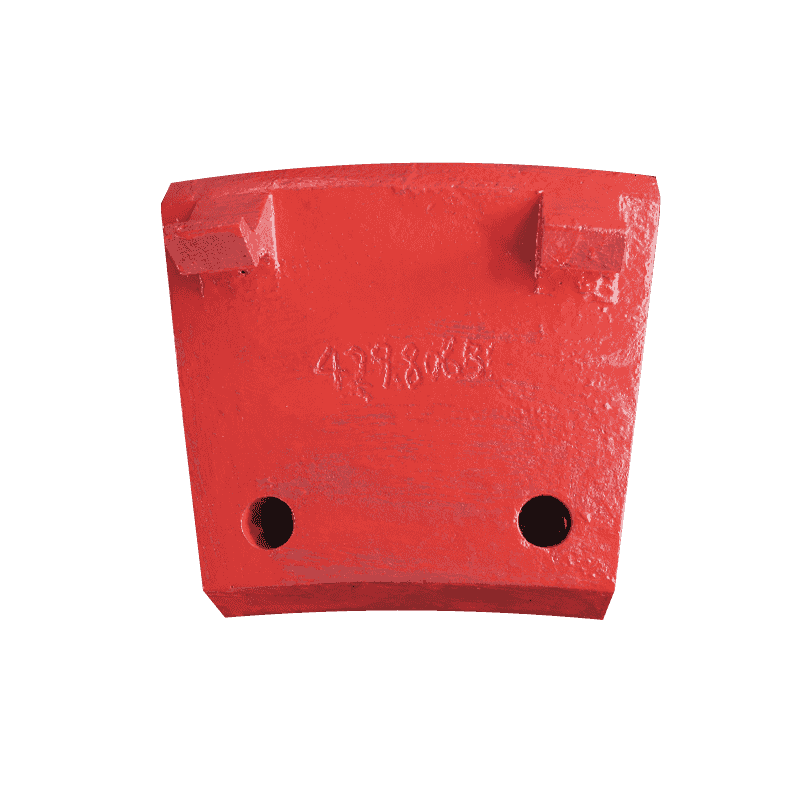
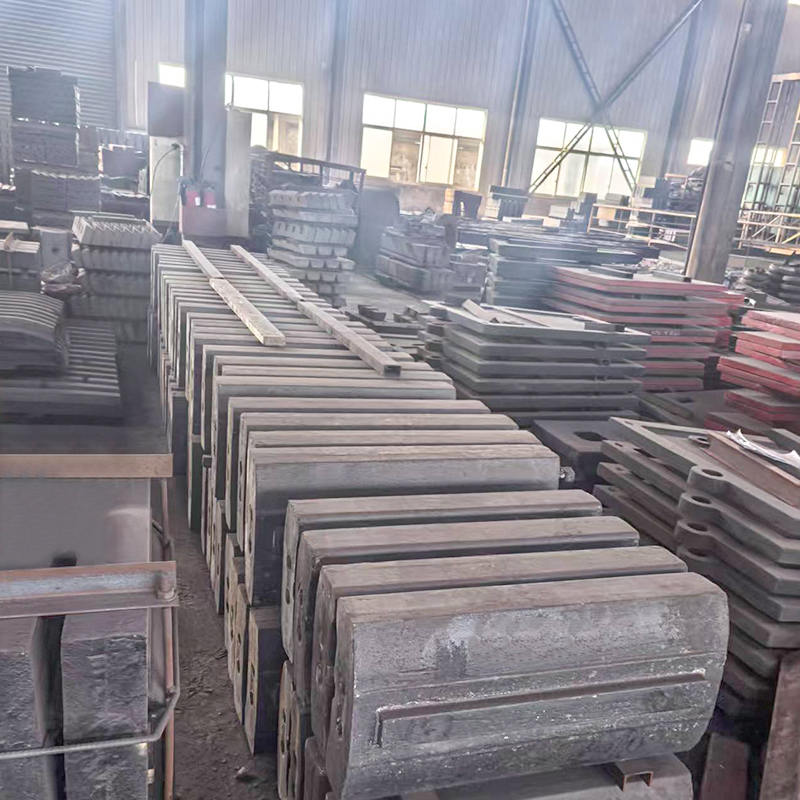 High Chrome Plate Hammer for Impact CrushersA high-chromium impact crusher wear part with an optimized impact surface, relevant when checking plate hammer wear and crushing efficiency.View Product →
In impact crushing, the plate hammer is a clear example of a mechanical item whose life depends on both material and operation. Rotor speed, feed gradation, and the number of impact cycles all change the wear pattern. The same grade can perform well in one line and poorly in another if the feed or chamber is different.
Matching the Example to the Failure Mode
The most useful example list is the one tied to failure. If a bearing fails, check alignment, lubrication, contamination, and mounting before changing brands. If a jaw plate cracks, check feed size, cavity profile, and backing contact. If a cone crusher crushing wall wears unevenly, check feed distribution, closed-side setting, and chamber selection. If a plate hammer wears too fast, check rotor speed, feed gradation, and material hardness.
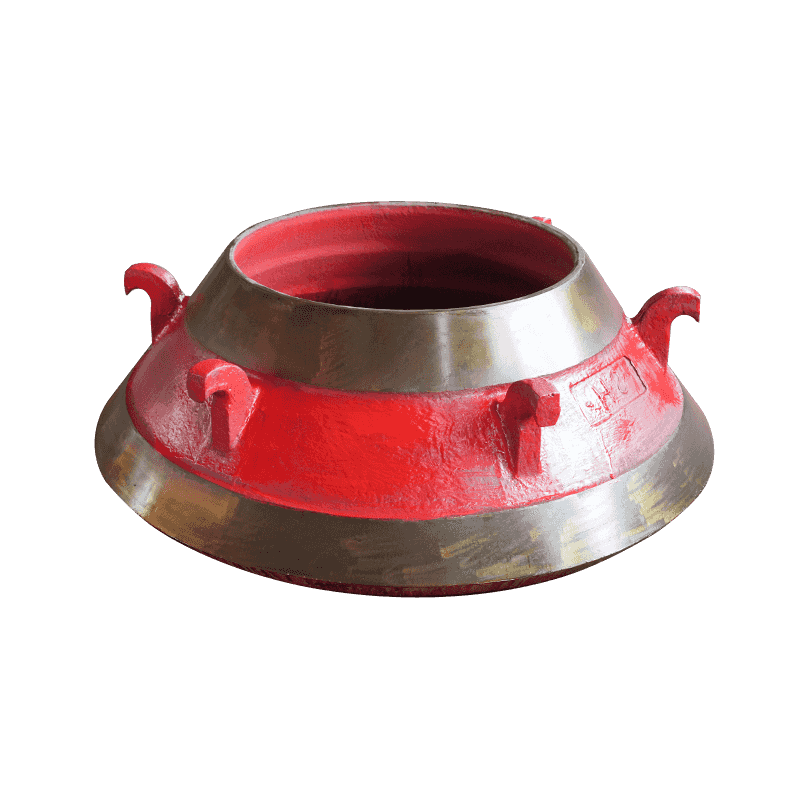
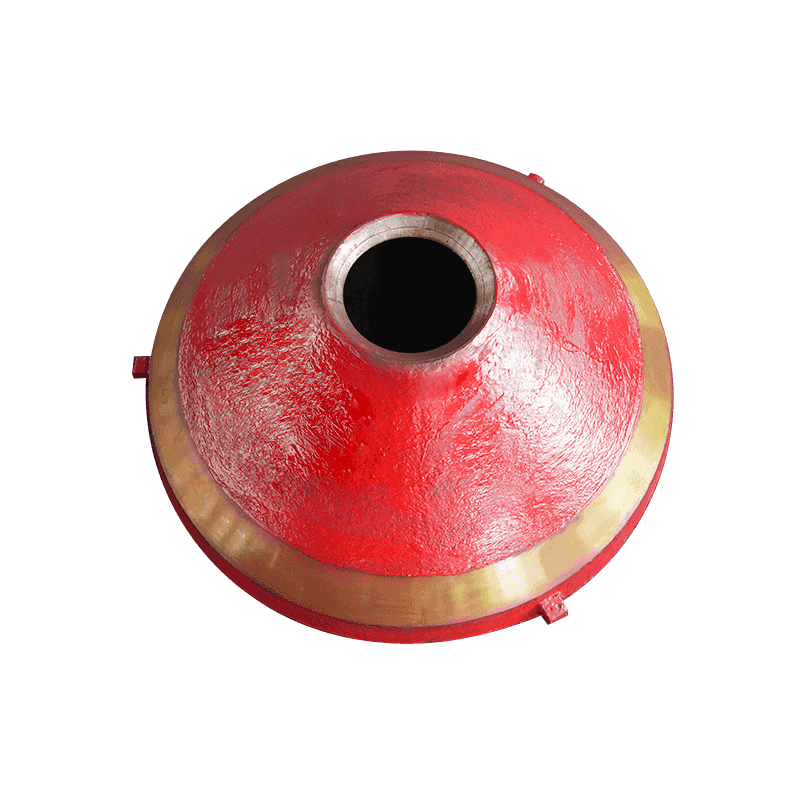 High Manganese Steel Cone Crusher Crushing WallA cone crusher wear part made from high manganese steel with self-hardening behavior, relevant when uneven crushing wall wear is being checked.View Product →
Mechanical items do not fail in isolation. A worn liner changes the cavity, which changes the load, which changes the life of the next liner. A loose fastener changes preload, which changes vibration, which changes bearing life. That chain matters more than a long list of part names.
A practical answer to the question is therefore a structured list: fasteners, power transmission, motion control, fluid control, structure, and wear protection. The examples are easy to name, but the purchase decision depends on function, interface, material, wear mechanism, and documentation. When those five points are checked, a mechanical item is no longer just a part number; it becomes a predictable part of the machine’s maintenance plan.
Previous Post
What Are Mining Machines? A Practical Guide to Crushing Equipment and Wear Parts
Next Post
Mining Machinery Types: Drilling, Loading, Hauling, Crushing and Support Equipment
Related Products

-
- Phone:
-
+86 182 6058 7168
+86 (0)513 6890 5666
-
- Email:
- [email protected]
-
- Address:
- Wanghao Industrial Park, Haimen City, Nantong City, Jiangsu Province, China
-
- Media:

