
 English
 русский
 عربى
Home / News / Industry News / Mining Machinery Types: Drilling, Loading, Hauling, Crushing and Support Equipment
Mining Machinery Types: Drilling, Loading, Hauling, Crushing and Support Equipment
A primary crusher does not stop because the mine is short of machines. It stops because a fixed jaw plate has worn through, and the loader, haul truck, and conveyor upstream have nowhere to send the next load. That is the practical view of mining machinery: the headline equipment removes and moves rock, while crushers, mills, and their wear parts turn that rock into a saleable size. The machinery list is long, but it is not random.
Mining machinery is usually organized by the job it performs: drilling and blasting, excavation and loading, haulage and conveying, crushing and grinding, and site support. The right combination depends on whether the mine is open pit or underground, how hard and abrasive the rock is, the target throughput, and how much maintenance the site can absorb. A 1,000 t/h quarry and a narrow-vein underground operation may both call themselves mines, but they need very different fleets.
The six machinery groups at a glance
The fastest way to review a mining fleet is to separate production machinery from the equipment that keeps production stable. The table below is a useful starting point for a pre-feasibility review, a fleet audit, or a maintenance budget discussion.
| Group | Typical machines | Main job | What drives selection |
|---|---|---|---|
| Drilling and blasting | Rotary drills, DTH hammers, top-hammer rigs, underground jumbos, explosive loaders | Create fragmentation and a workable bench or face | Hole diameter, rock strength, fragmentation target, blasting constraints |
| Excavation and loading | Hydraulic excavators, rope shovels, wheel loaders, draglines, continuous miners, roadheaders | Break and load rock or coal | Bucket match to truck, breakout force, floor conditions, selectivity |
| Haulage and conveying | Rigid haul trucks, articulated haulers, belt conveyors, feeders, LHDs, skips, hoists | Move rock from face to plant or dump | Distance, grade, throughput, rehandle, traffic and road layout |
| Crushing and grinding | Jaw, gyratory, cone, impact and VSI crushers; SAG, ball, rod and vertical mills | Reduce feed size and prepare product | Feed size, reduction ratio, abrasion, moisture, product shape |
| Support and site services | Dozers, graders, water trucks, cranes, pumps, ventilation fans, shotcrete units | Keep the cycle safe, stable and accessible | Site layout, dust, water, ventilation, maintenance access |
| Wear parts and consumables | Jaw plates, cone liners, blow bars, impact liners, mill liners, grinding media | Protect equipment and hold the crushing gap | Material grade, fit, wear life, changeout time, cost per tonne |
The table is a starting point, not a shopping list. In most mines, the bottleneck moves. A faster loader may simply create a longer truck queue, and a larger crusher may expose a weak conveyor transfer point. Machinery selection works best when it is treated as a chain of matched capacities rather than a collection of individual machines.
Drilling and blasting machinery: the first control on crusher load
Drilling and blasting machinery sets the size distribution that every downstream machine must handle. In large open-pit mines, rotary drilling rigs are common for blastholes, with down-the-hole hammers used where rock is hard and hole straightness matters. Underground operations more often use compact jumbos and top-hammer rigs that fit narrow headings. Explosive mixing and loading trucks complete the group, along with stemming and initiation equipment.
The selection question is not simply “how hard is the rock?” It is also “what fragmentation does the plant want?” A blast that produces fewer oversize boulders can reduce crusher stoppages and secondary breaking, but it may increase drilling and explosive cost. A finer blast can improve loader productivity, yet it may raise fines, dust, and handling problems. Hole diameter, bench height, burden, spacing, and delay timing all interact.
For a practical check, compare the largest expected lump size with the crusher feed opening. A jaw crusher may accept a large top size, but a cone crusher downstream needs a more controlled feed. If drilling and blasting regularly deliver slabs or boulders beyond the agreed size, the crusher is being asked to compensate for a blast design problem.
Excavation and loading machinery: match the pass, not just the bucket
Hydraulic excavators and rope shovels are the main loading machines in surface mines. Wheel loaders are more flexible and are often used for stockpiles, blending, and softer material. Draglines and bucket-wheel or bucket-chain excavators suit particular large-scale or continuous operations, while continuous miners and roadheaders are common in underground coal, soft rock, and tunnelling work.
Pass matching is one of the most useful checks in a fleet review. If a truck payload is 90 tonnes and the excavator bucket carries 20 tonnes, a four-pass load is close to ideal. A five-pass load may be inefficient, while a three-pass load with spillage wastes capacity and creates cleanup work. The exact numbers depend on bucket fill, material density, and truck body configuration, but the principle holds: loading is a cycle, not a bucket specification.
- Check breakout force against the rock type, not only bucket volume.
- Confirm the loading height and reach against the truck body or hopper.
- Allow for floor conditions, tramming distance, and operator visibility.
- Review the loading face height to avoid excessive reach or unsafe undercuts.
Underground, load-haul-dump machines and compact loaders take over. In narrow headings, machine width, turning radius, and ventilation clearance can matter more than bucket capacity. A slightly smaller loader that cycles reliably may outperform a larger unit that cannot pass safely or access the face.
Haulage and conveying machinery: distance changes the answer
Rigid haul trucks remain the default for many surface mines because they are flexible and can handle steep ramps and changing routes. Articulated haulers suit wet, soft, or confined conditions. Belt conveyors become attractive when the route is long, the throughput is steady, and the material can be conveyed without excessive rehandle. Feeders, transfer conveyors, shuttle cars, skips, and hoists complete the material flow.
The trade-off is rarely a simple “truck versus conveyor” choice. Trucks are easier to redeploy and can separate material streams, but their cost per tonne rises with haul distance and lift. Conveyors can reduce diesel consumption and labour intensity, but they need stable foundations, controlled top size, and careful transfer design. A 500 m haul on a flat road is a different problem from a 5 km haul with a 10% grade.
For any haulage review, calculate the effective cycle: loading time, travel time, dump time, return time, and queue time. Then compare the required fleet with the plant’s available hours. A fleet that looks adequate on paper can fail when queueing, weather, and maintenance are included. The same discipline applies to conveyors: transfer points, belt width, incline, and surge capacity determine whether the system delivers the crusher’s design throughput.
Crushing and grinding machinery: where wear parts become a production variable
Crushers and mills are the size-reduction stage. Jaw crushers and gyratory crushers usually handle primary reduction, while cone crushers, impact crushers, and vertical shaft impactors handle secondary or tertiary duty. Grinding circuits use SAG, ball, rod, or vertical mills depending on the ore and product target. The selection depends on feed size, reduction ratio, abrasion, moisture, and the required product shape.
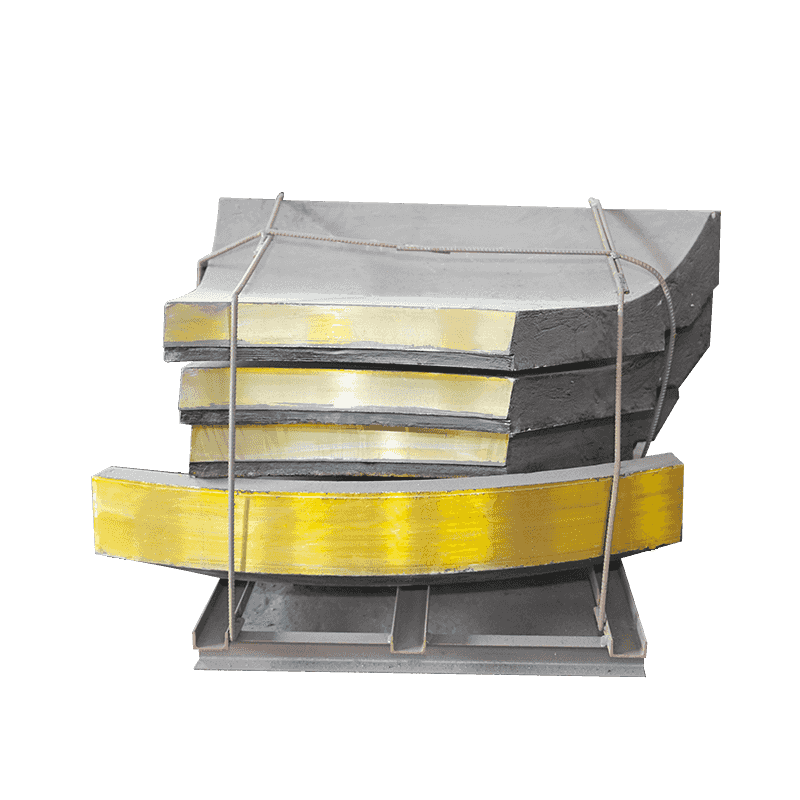
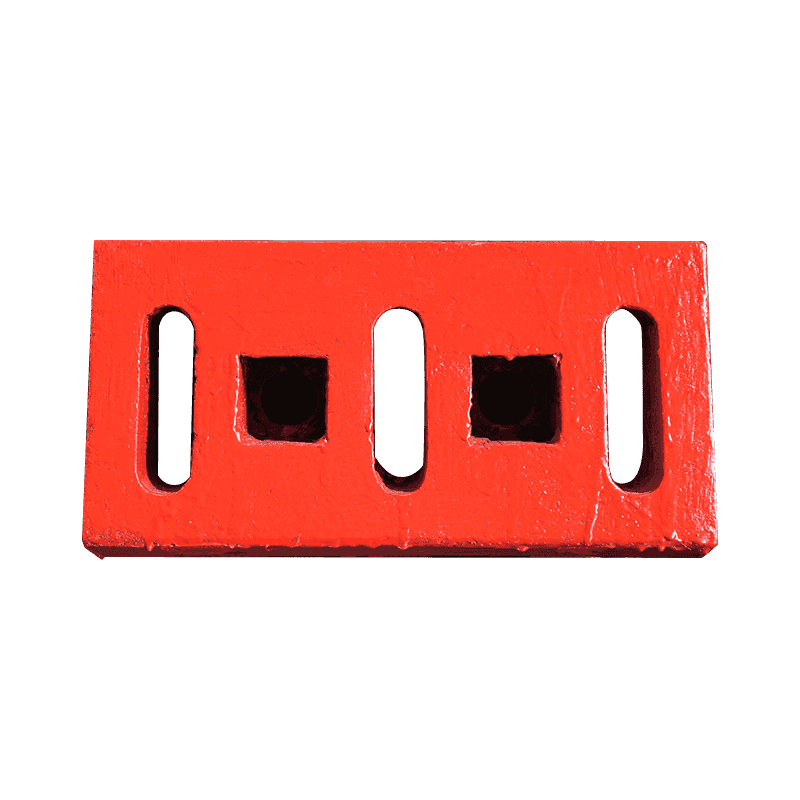
Jaw crushers are common in hard-rock primary duty because they accept large feed and tolerate variations in lump size. The fixed and movable jaw plates are the main wear surfaces, and their profile affects the crushing chamber and throughput. For operations standardizing primary wear parts, a high-manganese steel fixed jaw plate is a practical reference point for fit and material review.
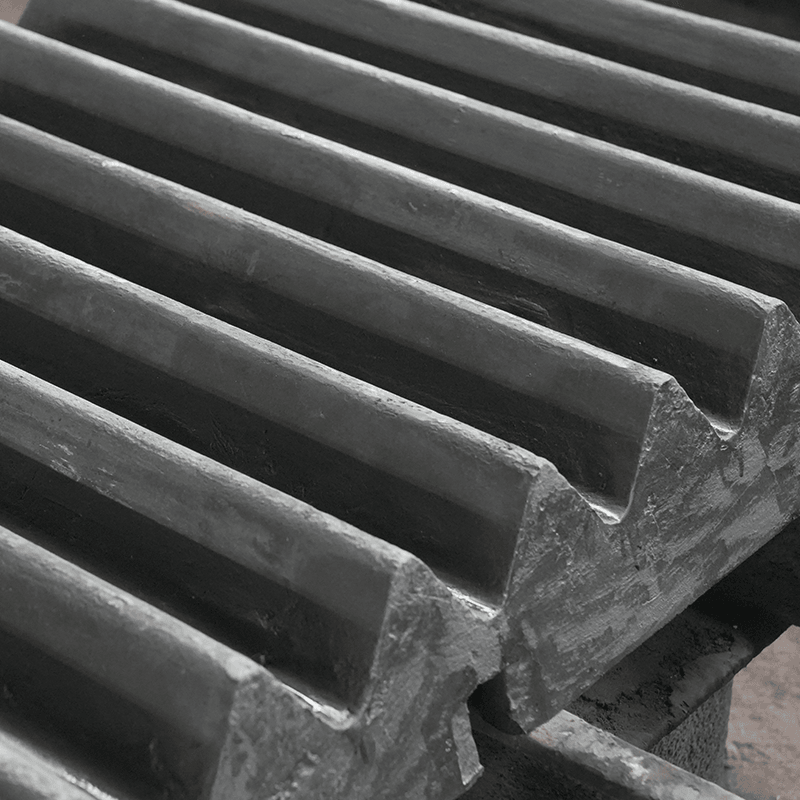 Jaw Crusher High Manganese Steel Fixed Jaw PlateFor primary hard-rock operations reviewing fixed jaw plate wear parts, this alloy high manganese steel option offers self-hardening plus added wear and impact resistance.View Product →
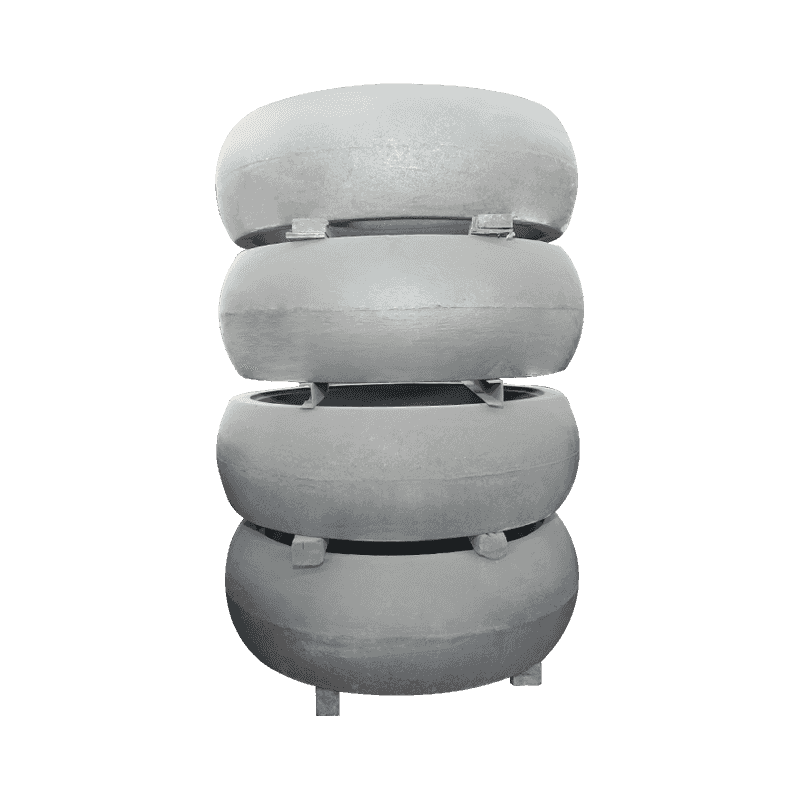
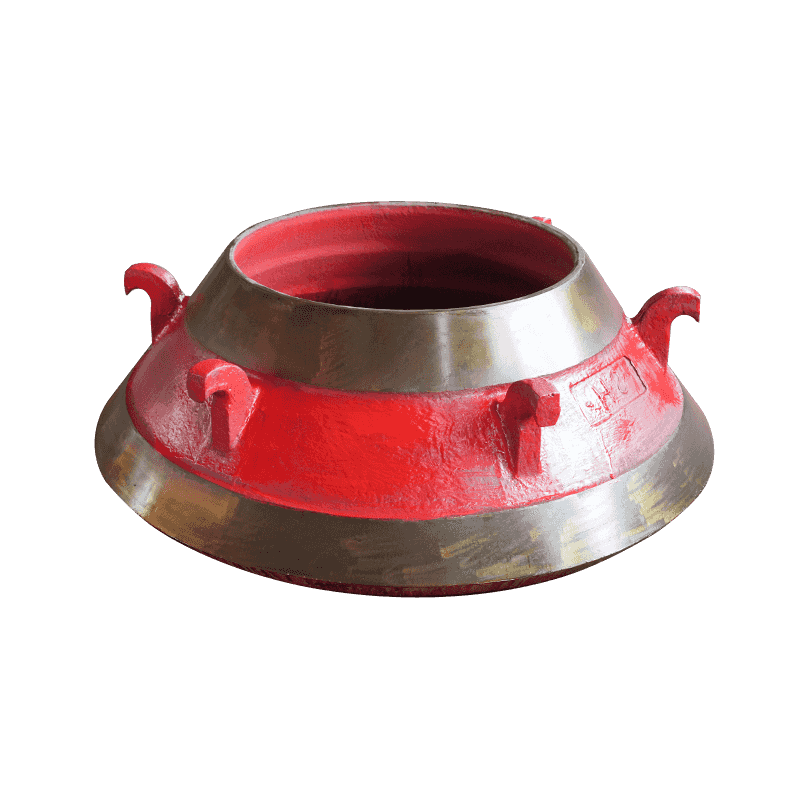
Cone crushers are typically used for secondary and tertiary reduction where shape and controlled product size matter. The crushing wall and mortar wall form the working chamber, and liner selection affects both wear life and the closed-side setting. If the liner profile is wrong, the crusher may produce more fines, draw more power, or need frequent adjustment.
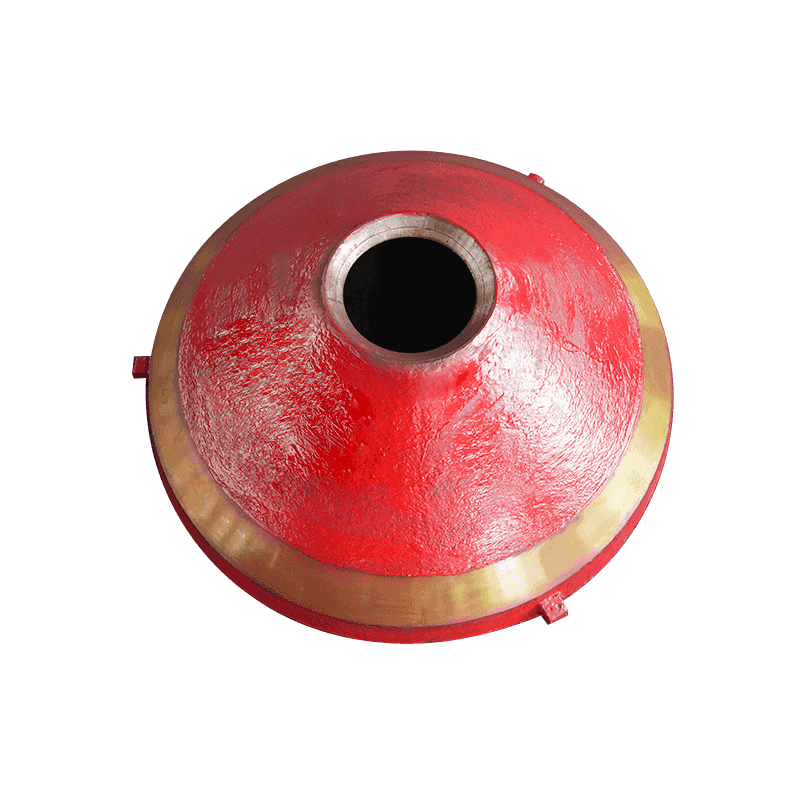 Cone Crusher High Manganese Steel Crushing WallFor secondary and tertiary cone crushing, this high manganese steel crushing wall self-hardens in service, with alloying elements for toughness and corrosion resistance.View Product →
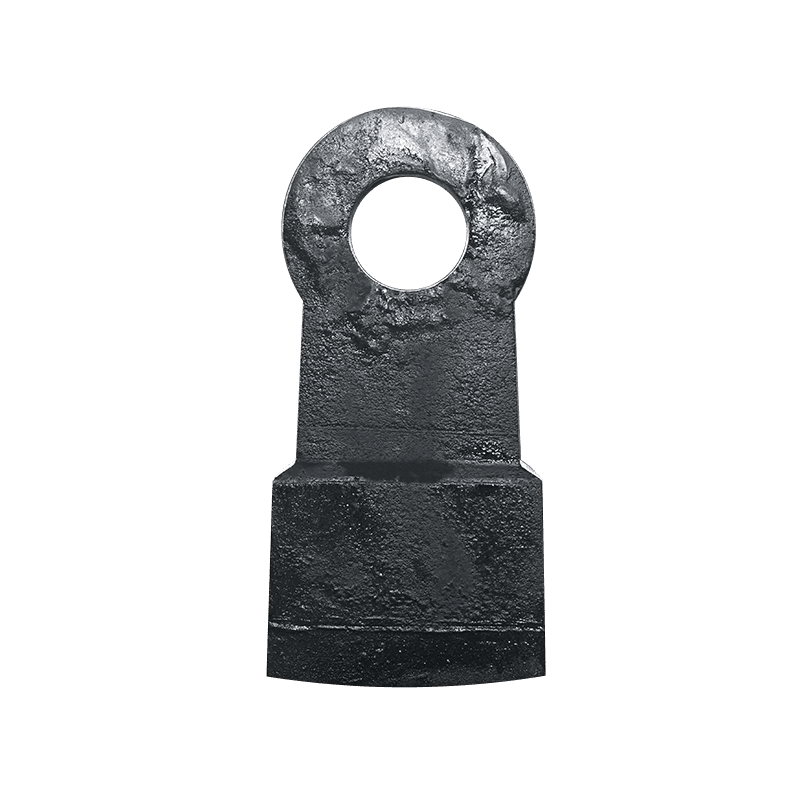
Impact crushers rely on high-speed rotation and impact rather than pure compression. Blow bars or plate hammers strike the rock, and impact liners protect the chamber. These machines can produce a well-shaped product, but they are sensitive to wear part balance and feed consistency. A high-chromium plate hammer for impact crusher duty is one option where abrasion resistance and impact toughness must be balanced.
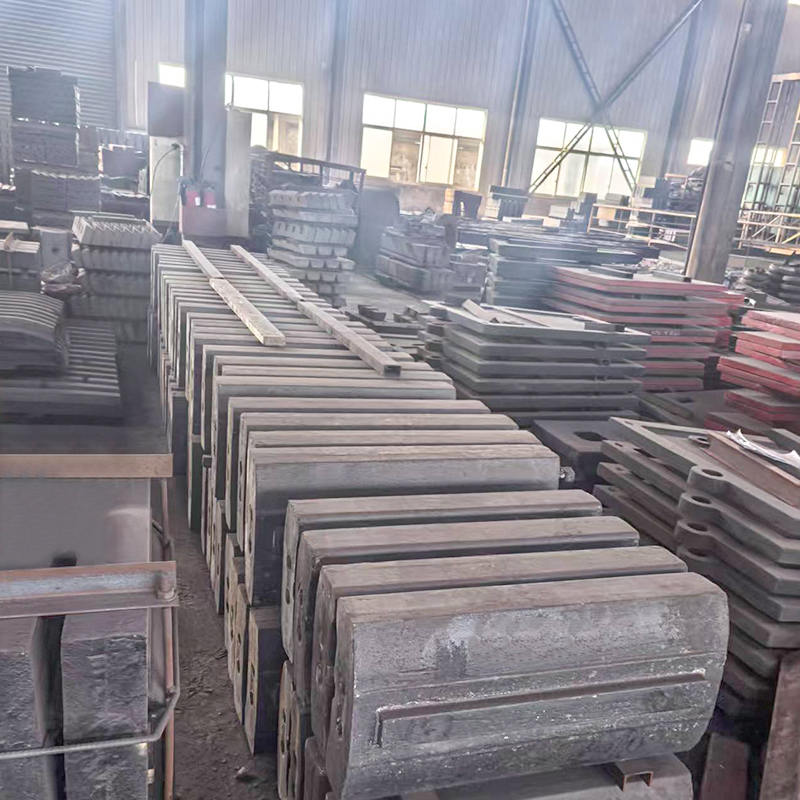 High Chrome Plate Hammer for Impact CrushersUseful where impact crusher wear parts must balance abrasion resistance and impact toughness, with a high-chromium cast hammer and optimized impact surface.View Product →
Wear parts should be treated as a production variable, not a commodity line item. A low purchase price can hide poor fit, short wear life, or a changeout that takes longer than planned. For a fuller comparison of material options, this crusher wear parts guide is a useful reference. The central question is total cost per tonne: purchase price, wear life, downtime, labour, and risk of unscheduled failure.
Support, dewatering, and safety machinery: the uptime layer
Support machinery rarely appears in the headline production figures, but it often decides whether those figures are met. Track dozers and motor graders maintain benches, ramps, and stockpiles. Water trucks control dust on haul roads. Cranes and maintenance vehicles support component changes. Pumps handle sump and dewatering duty, while ventilation fans, compressors, shotcrete machines, and roof bolters support underground development and safety.
A water truck that is unavailable can shut down haul roads through dust. A pump failure can flood a lower sump and stop loading. A ventilation fan failure can stop underground production entirely. These are not minor services; they are part of the production system. When reviewing a fleet, list the support equipment that can stop the main cycle, then check its redundancy and maintenance plan.
How to match the fleet to the mining method and rock
Open-pit mining favours large drilling rigs, excavators or shovels, haul trucks, and primary crushers that can handle coarse feed. Underground mining favours compact drilling jumbos, load-haul-dump machines, shuttle cars or conveyors, hoists, and crushers sized for the available heading. The mining method also changes the support equipment: open pits need road maintenance and dewatering, while underground operations need ventilation, roof support, and confined-space maintenance planning.
Rock properties matter as much as method. Soft rock such as coal or some industrial minerals may use continuous miners, bucket-wheel excavators, or roadheaders. Hard, abrasive rock usually points to drill-and-blast, jaw or gyratory primary crushing, and cone crushing downstream. Abrasion is the hidden variable: two mines may have the same throughput, but one may wear a jaw plate in weeks while the other lasts months.
Throughput matching should be done with real hours, not nominal hours. Required crusher throughput equals scheduled tonnes divided by available operating hours. Then confirm the upstream loading and haulage fleet against that figure, allowing for maintenance, weather, and queueing. A practical plan usually includes a capacity margin, but the margin should come from site data rather than a blanket percentage.
- What is the largest lump size the plant can accept?
- What is the rock’s abrasion and impact behaviour?
- What product size and shape does the market require?
- What mechanical availability can the site realistically sustain?
- How long can a wear-part changeout take before production is affected?
Procurement risks and maintenance choices
The procurement risk in mining machinery is rarely limited to the machine price. It sits in fit, compatibility, lead time, and the cost of an unplanned stop. A crusher liner that arrives late may cost more in lost production than the liner itself. A plate hammer with an inconsistent alloy grade may wear unevenly and disturb rotor balance. A conveyor idler with poor sealing may fail in wet conditions and create spillage.
For wear castings, ask for more than a material name. “High manganese” or “high chrome” is a family, not a full specification. Chemistry, heat treatment, hardness, toughness, section thickness, and dimensional tolerances all influence performance. A supplier with decades of wear-casting experience should be able to explain how those variables are controlled and how the part fits the target crusher model.
A practical maintenance plan links spare parts to the production calendar. Critical wear parts should have a defined inspection interval, a minimum stock level, and a changeout procedure. Non-critical parts can follow a lower-cost replenishment model. The aim is not to stock everything; it is to protect the machines that set the plant’s pace.
The shortest machinery list that works is the one where each machine has a clear job, a matched capacity, and a maintainable wear strategy. Drilling, loading, haulage, crushing, grinding, and support equipment all contribute to the same tonne. The best fleet is not the largest or the newest; it is the one that keeps the rock moving at a predictable cost per tonne.
Previous Post
No previous article
Next Post
What Are the Three Main Types of Jaw Crushers? Blake, Dodge, and Universal
Related Products

-
- Phone:
-
+86 182 6058 7168
+86 (0)513 6890 5666
-
- Email:
- [email protected]
-
- Address:
- Wanghao Industrial Park, Haimen City, Nantong City, Jiangsu Province, China
-
- Media:

