 English
 русский
 عربى
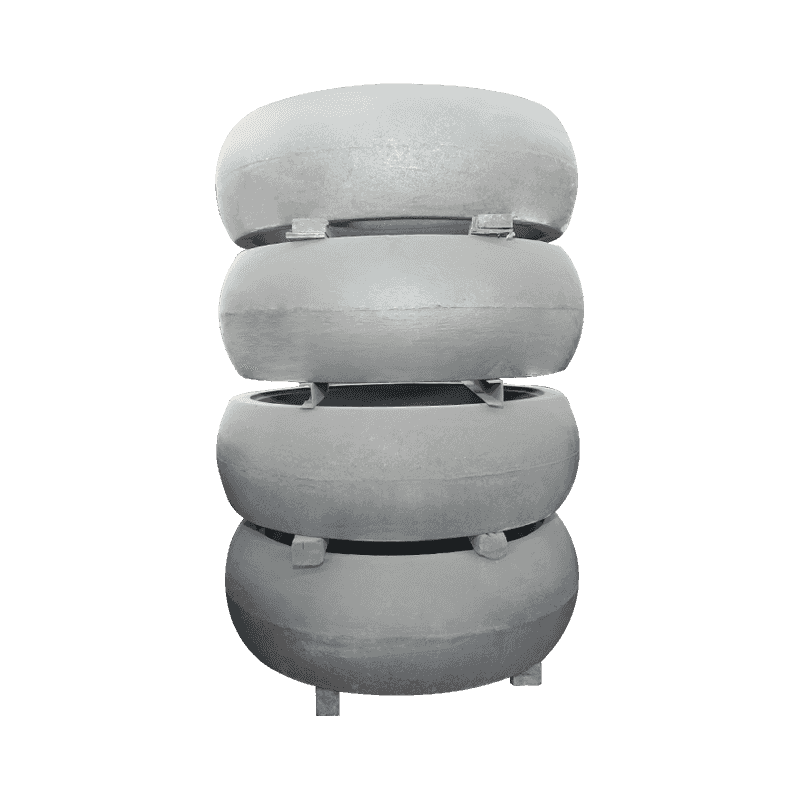
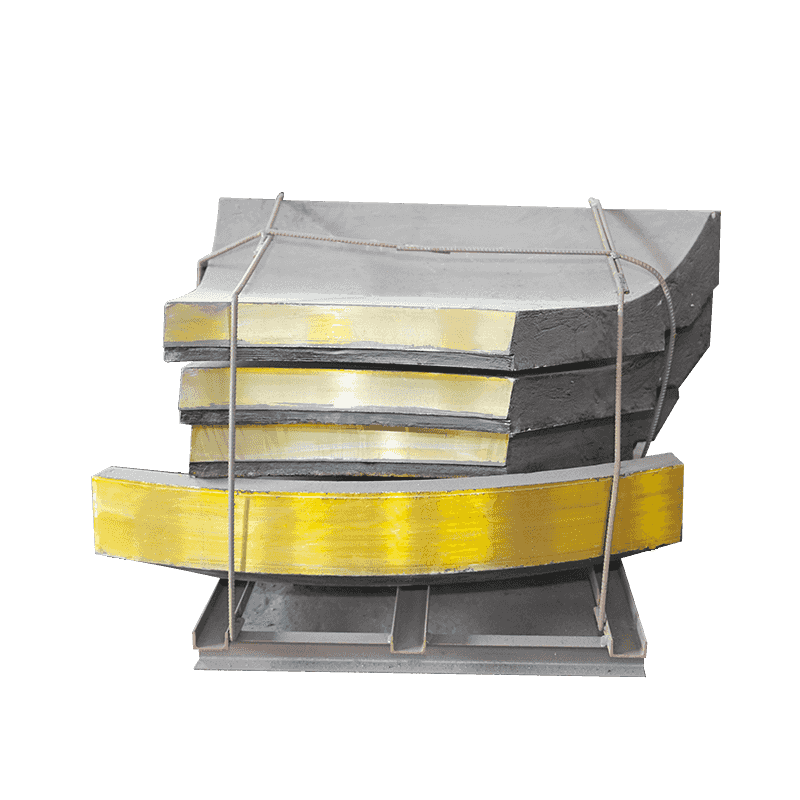
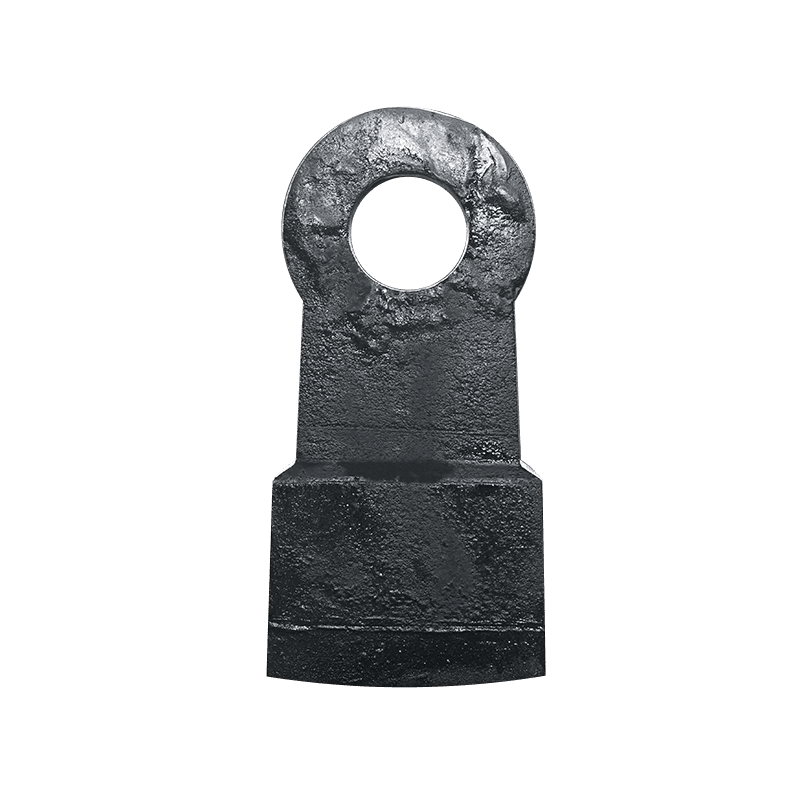
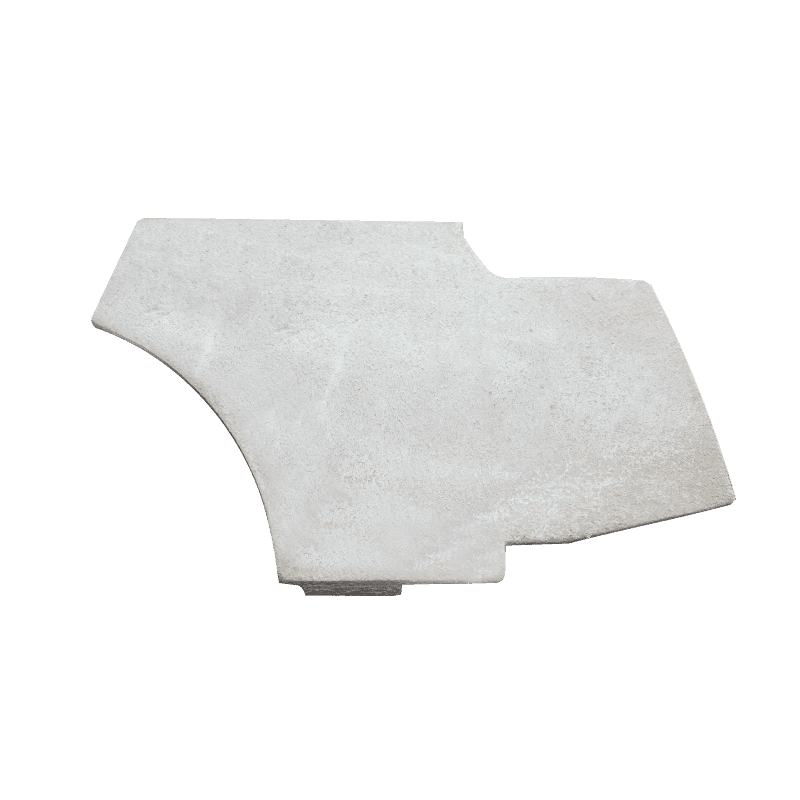
The fastest way to lower crushing cost per tonne is to choose the right Jaw Crusher Parts and Impact Crusher Parts and to replace them on time. Jaw crushers depend on manganese jaw plates, toggle plates, and eccentric components that take heavy compression loads. Impact crushers depend on blow bars, impact plates, and rotor parts that take high speed abrasion. In both machines, the right material, the right fit, and a planned replacement schedule decide how much uptime the plant keeps.
Short Answer: What Crusher Spares Matter Most
Most unplanned stops in crushing plants come from a small group of wear parts. For jaw crushers, the jaw plates, cheek plates, and toggle plate are the first items to check. For impact crushers, blow bars, impact plates, and apron liners wear fastest. Keeping a stock of these parts, and choosing them to match the feed material, reduces the time the plant spends waiting for spares.
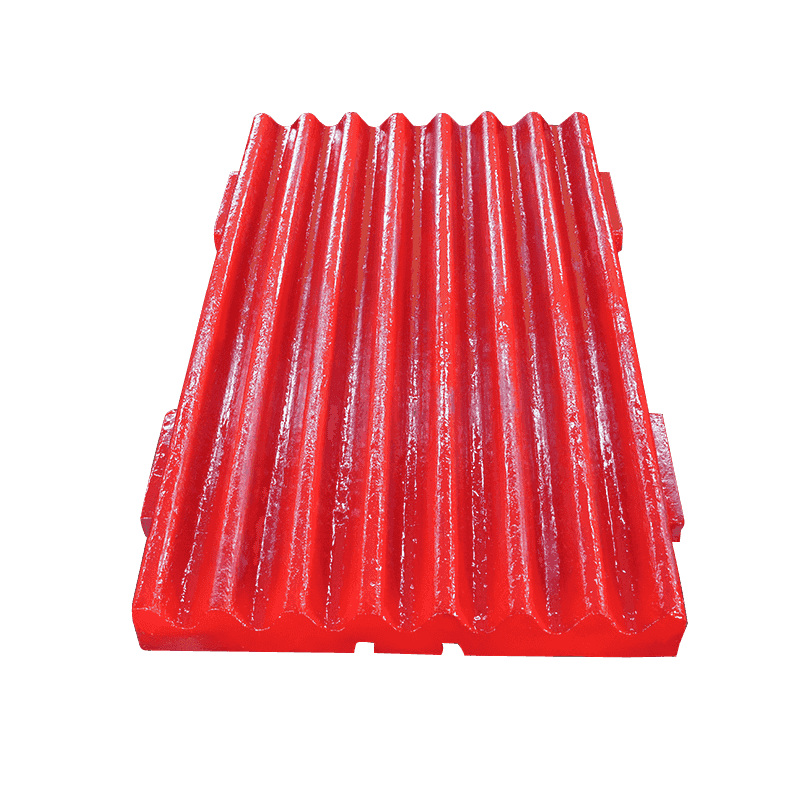
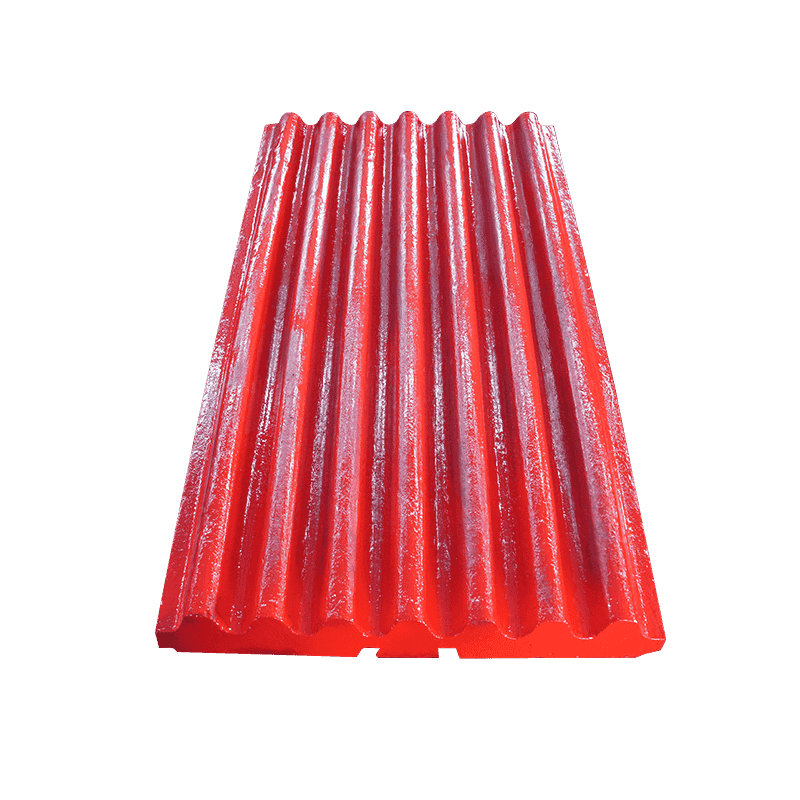
- Jaw plates and cheek plates take the main crushing force and are usually made from manganese steel.
- Blow bars and impact plates take high speed impact and abrasion, and they are often made from high chrome or manganese alloys.
- Bearings, shafts, and bushings protect the machine from damage when wear parts are left too long.
- A planned replacement schedule usually costs less than an emergency repair during production.
How Jaw Crushers and Impact Crushers Work
A jaw crusher breaks rock by squeezing it between a fixed jaw and a moving jaw. The moving jaw swings through an eccentric motion, and the rock is crushed as it moves down the chamber. A jaw crusher is strong and simple, and it is widely used for primary crushing of hard rock, ore, and construction waste.
An impact crusher breaks rock by striking it at high speed. A rotor carries blow bars that hit the feed and throw it against impact plates or curtains. The feed breaks along natural planes, which gives a cubical product shape and suits secondary and tertiary crushing of limestone, basalt, and recycled concrete.
Why the parts wear differently
Jaw parts wear mainly by compression and sliding abrasion, so the wear pattern is steady across the plate. Impact parts wear mainly by high speed impact and sliding abrasion, so the wear can be faster and more uneven. The choice of material must reflect this difference, because a jaw plate design rarely suits an impact application.
Main Jaw Crusher Parts and Their Function
A jaw crusher parts are built around several wear and structural parts. Each one has a defined role, and each one is replaced at a different interval. The table below lists the main parts and the function of each.
| Part | Main function | Typical wear pattern |
|---|---|---|
| Fixed jaw plate | Holds the material against the moving jaw | Groove wear in the middle of the plate |
| Movable jaw plate | Applies the crushing force | Wear near the bottom of the chamber |
| Cheek plates | Protect the side walls of the chamber | Side wear and gap increase |
| Toggle plate | Acts as a safety link and transfers force | Fatigue cracks and bending |
| Eccentric shaft and bearings | Drive the swing of the moving jaw | Heat and vibration from wear |
| Flywheel and pulley | Store energy and balance the drive | Bearing wear and belt slip |
Jaw plates are often the largest cost in jaw crusher consumables, but the toggle plate is the part that protects the machine from overload. A worn or cracked toggle plate should be replaced before it fails, because a broken toggle can damage the frame.
Main Impact Crusher Parts and Their Function
An impact crusher parts relie on a rotor and a set of wear parts that face the feed. Because the parts see high speed impact, their replacement is often more frequent than the jaw parts, and the material choice is central to the service life.
| Part | Main function | Typical wear pattern |
|---|---|---|
| Blow bar | Strikes the feed and sends it to the impact plate | Edge rounding and tip loss |
| Impact plate | Receives the rebound and breaks the material | Surface wear and groove formation |
| Apron liner | Protects the chamber wall from direct impact | Thinning near the feed opening |
| Side liner | Protects the side walls of the rotor chamber | Side abrasion and uneven wear |
| Rotor disc and shaft | Carries the blow bars at speed | Surface wear and fatigue |
| Bearings | Support the rotor under heavy load | Heat and grease breakdown |
Blow bars are the most visible consumable in an impact crusher. Their life depends on the hardness of the feed, the rotor speed, and the setting of the impact plates. A worn blow bar reduces the product size control and can increase the load on the rotor.
Materials for Crusher Wear Parts
Material selection is the most important decision when buying crusher spares. A harder material resists abrasion better, but it may crack under impact. A tough material absorbs impact well, but it may wear faster in abrasive rock. The right material balances hardness and toughness for each part and each feed.
| Material | Typical hardness | Main strength | Typical use |
|---|---|---|---|
| Manganese steel Mn13 | About 200 HB before work hardening, higher after | Tough and work hardening under impact | Jaw plates, cheek plates, and impact plates |
| Manganese steel Mn18 | Similar base hardness with higher toughness | Good for heavy impact | Heavy duty jaw and impact applications |
| High chrome iron | About 58 to 62 HRC | Strong abrasion resistance | Blow bars and impact plates in abrasive feed |
| Chrome carbide overlay | Hard surface layer on a tough base | Long life in sliding wear | Liners and wear faces in abrasive feed |
| Ceramic composite | Very high surface hardness | Excellent abrasion resistance | Specialized wear zones in demanding feed |
Manganese steel is the common choice for jaw plates because it hardens under impact at the working surface while keeping a tough core. High chrome parts are often chosen for impact crushers because they resist abrasion well when the feed is hard and sharp, provided that the impact load is moderate.
Service Life and What Changes It
Service life is never a single figure. It depends on feed hardness, moisture, the setting of the machine, and the operator's habits. Two plants with the same crusher can see very different wear rates on the same parts.
Feed hardness and abrasiveness
Hard and abrasive rock such as granite and quartzite wears parts faster than limestone or softer ores. A change from limestone to granite can reduce the life of an impact part by a large share, so the spares plan should be reviewed whenever the feed source changes.
Setting and throughput
A jaw crusher set too tight produces more fines and more load on the jaw plates. An impact crusher running at too high a speed wears blow bars faster and increases the risk of rotor damage. Setting the machine to the right product size and rotor speed protects both the parts and the output.
Moisture and clay
Wet and clay rich feed can pack in the chamber and cause sticking, which increases the load on the drive and the wear parts. Scalping the fines or pre screening wet feed can reduce this problem and extend part life.
Typical life ranges
As a general guide, jaw plates often last several hundred to around a thousand operating hours, while impact blow bars may be changed every few hundred hours in hard feed. These ranges are estimates only, and the actual interval should be set from the plant's own records.
Replacement Planning and Inventory
A good replacement plan avoids two costly extremes. One is replacing parts too early, which wastes useful life. The other is running parts to failure, which can damage the frame, the rotor, or the bearings. The plan should match the wear rate, the lead time for spares, and the planned maintenance windows.
- Record the operating hours and tonnage for each wear part from the first installation.
- Measure the wear profile at fixed intervals, using gauges or templates for jaw plates and blow bar edges.
- Set a replacement threshold for each part, based on the minimum thickness or the wear limit recommended by the machine maker.
- Keep a critical stock of fast moving parts, such as blow bars, cheek plates, and toggle plates, for the most common failure modes.
- Plan the change during a scheduled stop, and inspect the frame, the bearings, and the drive at the same time. Keep a spare set of fasteners and wedges with the stock, because a missing bolt can delay a change by a full shift.
Quality Checks for Replacement Parts
Replacement parts vary widely in quality. A part that fits the mounting holes may still have the wrong chemistry, poor heat treatment, or incorrect casting dimensions. The checks below help buyers confirm that a part will perform as expected.
- Ask for the chemical composition and the hardness report for each batch of castings.
- Check the casting dimensions against the drawing, especially the mounting holes, wedge faces, and tip profile.
- Confirm the heat treatment record, since manganese parts need correct solution treatment to develop work hardening.
- Request a sample inspection report, and if possible a trial run in a non critical section of the plant.
- Review the supplier's quality system, such as ISO 9001, and the traceability of each part to its casting batch.
Cost per Tonne and Buying Decisions
The unit price of a part is only one number. The cost per tonne of crushed product includes the part price, the labor to change it, the downtime, and the output of the part over its life. A cheaper part that wears out in half the time can cost more over a year.
| Option | Part price | Estimated life in tonnes | Cost per tonne |
|---|---|---|---|
| Lower price part | 1,000 US dollars | 40,000 | 0.025 US dollars |
| Higher quality part | 1,600 US dollars | 75,000 | 0.021 US dollars |
| Premium overlay part | 2,400 US dollars | 110,000 | 0.022 US dollars |
The example uses hypothetical prices and lives to show the method. Each plant should calculate its own figures from measured part life and actual part prices, then add the labor and downtime for each change.
Common Mistakes When Buying Crusher Parts
Many avoidable problems come from buying decisions made on price alone. The list below highlights the mistakes that most often lead to early wear, breakage, or lost production.
- Choosing a jaw plate by price without checking the tooth profile and the chemistry.
- Using an impact part in a feed it was not designed for, such as very hard granite in a soft limestone design.
- Ignoring the wear limit and running parts until they crack or fall apart inside the chamber.
- Mixing parts from different suppliers in the same chamber, which can change the crushing pattern.
- Failing to inspect the frame, bearings, and drive during each liner change, which lets small faults grow.
Installation and Fit Checks for New Parts
A new wear part must fit the chamber exactly, or it will move, crack, or wear unevenly. Installation is the stage where many early failures start, so the fit should be checked before the machine is restarted. Careful fitting costs little time and protects the investment in each part.
Before installation, clean the mounting faces and remove burrs, rust, and old packing material. Check that the wedges, bolts, and locating pins are in good condition, and replace any that are stretched or damaged. A part that sits proud of the surface or rocks on its seat can loosen quickly under load.
- Measure the chamber gap at several points, and confirm it matches the setting and the new part dimensions.
- Tighten bolts to the torque specified by the machine maker, and recheck them after the first few hours of running.
- Check that rotating parts clear the chamber walls by hand before the drive is started.
- Record the part serial or batch number, the install date, and the starting hour meter reading in the maintenance log.
After the first run, inspect the new parts for movement, unusual noise, and early signs of uneven wear. Small adjustments in the first hours often prevent larger problems later in the service life.
Safe Working Practice During Liner Changes
Liner changes involve heavy parts, confined spaces, and stored energy, so they must be planned as a formal task. Most injuries during crusher maintenance come from parts falling, unexpected movement, or incomplete isolation of power. A written procedure and a trained crew reduce these risks significantly.
- Isolate the drive, lock out the power supply, and confirm the isolation with a test before anyone enters the chamber.
- Clear the feed hopper and the chamber of material, and wait until the rotor or the moving jaw has stopped completely.
- Use lifting equipment rated for the weight of each part, and keep personnel out of the swing zone during the lift.
- Support the moving components with blocks or stands before removing bolts, so that no load is held by the fasteners alone.
- Inspect the frame, the bearings, and the seals while the chamber is open, and record any defect for planned repair.
- Complete a final check of the fasteners, guards, and drive before removing the lock and restarting the machine.
Protective equipment is essential during every liner change. Hard hats, safety boots, gloves, eye protection, and hearing protection should be worn, and the area should be cleaned of loose material to reduce slip and trip hazards.
Lubrication and Drive Care for Crusher Life
Wear parts are only part of the story. Bearings, the eccentric shaft, the flywheel, and the drive belts carry the same loads, and their condition decides whether the crusher can use its wear parts fully. A simple lubrication and inspection routine protects these components and reduces the risk of a sudden stop.
| Task | Typical interval | Purpose |
|---|---|---|
| Grease main bearings | Every 8 to 10 operating hours | Reduces heat and wear in the bearing |
| Check oil level in gearbox | Every shift | Protects gears and bearings from damage |
| Inspect belts and tension | Weekly | Prevents slip and uneven drive |
| Check bolts and wedges | Weekly and after each liner change | Keeps wear parts seated and safe |
| Measure bearing temperature | Every shift | Detects early bearing failure |
| Sample and replace oil | Every 500 to 1,000 operating hours | Removes wear particles and moisture |
The intervals above are general guides. Plants running dusty or wet feed should shorten the intervals, and the machine maker's manual should always take priority over the table. Trending bearing temperature and oil condition often gives the earliest warning of a developing fault.
Frequently Asked Questions
What are the most common Jaw Crusher Parts that wear out?
The jaw plates, cheek plates, and toggle plate wear most often. Bearings, the eccentric shaft, and the pitman are also checked during each service.
What are the most common Impact Crusher Parts that wear out?
Blow bars, impact plates, apron liners, and side liners wear fastest. The rotor bearings and the rotor disc are inspected at each liner change.
What material is used for jaw plates?
Manganese steel is the standard material for jaw plates. It hardens at the surface under impact while keeping a tough core that resists cracking.
Which material is best for blow bars?
High chrome iron is often chosen for blow bars in abrasive feed, because it resists sliding wear well. Manganese or alloy options may suit lower abrasion or heavy impact feed.
How long do crusher wear parts last?
Life depends on feed hardness, throughput, setting, and moisture. Jaw plates often last several hundred to around a thousand hours, and blow bars may need changing every few hundred hours in hard feed. Use your own records to set the interval.
How do I know when to replace a jaw plate?
Replace the plate when it reaches the wear limit set by the machine maker, or when the tooth profile is worn enough to reduce the crushing action or change the product size.
Why does my impact crusher produce more fines than expected?
Worn blow bars, an incorrect impact plate setting, or a rotor speed that is too high can increase fines. Check the wear profile and the setting before changing the feed.
Can I mix parts from different suppliers?
It is better not to mix suppliers in the same chamber. Different chemistry or profile can change the crushing pattern and cause uneven wear, which increases the load on the other parts.
What should I check when changing liners?
Inspect the frame, bearings, drive, and fasteners at the same time. A small crack or loose bolt found during a change is much cheaper to fix than a failure during production.
What information should I send to request a quote for crusher spares?
Send the machine model and serial number, the drawing or part number, the feed material and hardness, the throughput target, and the current wear and life data. Complete information helps the supplier recommend the right material and profile. Ask for a written wear life estimate based on your feed, and compare it with the results you record after the first change, so that the supplier and the plant can both learn from the data.
Key Takeaways
Match the part to the feed, then replace it on a plan
Jaw Crusher Parts and Impact Crusher Parts are the main drivers of crushing cost. Jaw plates need tough manganese steel that hardens under compression. Impact parts need materials that balance abrasion resistance with the ability to absorb high speed strikes. The right choice depends on the feed, the setting, and the wear pattern.
Record the life of every wear part, set a replacement threshold, and keep a stock of fast moving items. A plan built on measured data lowers the cost per tonne and keeps the plant running.