 English
 русский
 عربى
Short Answer: Why High Manganese Steel Suits Impact Zones
High manganese steel works well where impact is heavy and steady. The surface of the casting hardens from about 200 HB in the as cast condition to roughly 500 to 550 HB after repeated impact, while the core stays tough and resists cracking. This combination is why the material is used for impact crusher liners, jaw plates, and crusher parts that take shock loads in hard rock.
- The surface work hardens under impact, so the wear face becomes harder as the plate is used.
- The core remains tough, which helps the plate absorb shock without brittle fracture.
- Casting quality, including clean solution treatment, decides whether the plate reaches its designed life.
- Impact lining plates are best matched to feed that delivers real impact, not to purely sliding abrasion.
Understanding High Manganese Steel Chemistry
High manganese steel is an austenitic alloy. Its manganese content is high enough to keep the structure austenitic at room temperature, and carbon adds strength and helps the surface harden under deformation. The most common grades differ mainly in manganese, carbon, and small additions such as chromium, which improve the strength and the hardening response.
| Grade | Carbon range | Manganese range | Typical addition |
|---|---|---|---|
| Mn13 | 1.0 to 1.3 percent | 11 to 14 percent | Base grade for general impact parts |
| Mn13Cr2 | 1.0 to 1.3 percent | 11 to 14 percent | About 2 percent chromium for better strength |
| Mn18Cr2 | 1.1 to 1.3 percent | 17 to 19 percent | Higher toughness and heavy impact resistance |
| Mn22Cr2 | 1.1 to 1.3 percent | 21 to 23 percent | Specialized heavy impact applications |
The chemistry should be confirmed on each batch by spectrometer analysis. Small changes in carbon or manganese can affect the work hardening response, and a casting that falls outside the range may wear faster or crack earlier than expected.
Work Hardening Explained in Practical Terms
Work hardening is the process that gives high manganese steel its wear performance. When the surface is struck or deformed, the austenite changes and forms a harder layer, and the hardness rises as the impact continues. The effect is strongest where the impact is heavy and repeated, and weaker where the material only slides against abrasive particles.
What the hardness numbers mean
A freshly cast and solution treated plate is relatively soft, often around 200 HB. After the first heavy impacts, the surface can rise above 450 HB, and in strong impact service the work hardened face may reach 500 to 550 HB. The core stays near its original hardness, which is why the plate remains tough.
Why impact matters more than abrasion
High manganese steel gains most of its wear life from impact. Under pure sliding abrasion from sharp sand or quartz, the surface may not harden enough, and the wear rate can be higher than a high chrome alloy. For this reason, impact crusher lining plates work well in rock that breaks under strikes, while very abrasive feed should be evaluated with a different material.
Starting the work hardening process
New plates can be run at reduced throughput for a short period to allow the surface to harden gradually. Heavy shock loads on a soft new surface can cause deformation and early cracking, so a controlled start improves the final life of the plate.
Casting Quality That Determines Service Life
The performance of a high manganese steel casting depends on how it is made as much as what it is made from. Casting defects such as shrinkage, gas porosity, and carbide precipitation at grain boundaries reduce toughness and increase the risk of cracking. A good foundry controls each step carefully.
- Melt practice: controlled melting, deoxidation, and temperature keep gas and inclusions low.
- Mold design: risers and feeders are placed to reduce shrinkage in thick sections and at junctions.
- Solution treatment: heating to about 1050 to 1100 degrees Celsius followed by rapid water quenching dissolves carbides and gives the austenitic structure.
- Inspection: dimensional checks, hardness tests, and sometimes ultrasonic or radiographic inspection confirm soundness.
- Traceability: each casting should be linked to its melt, heat, and inspection record.
Solution treatment is the step most often missed in low quality castings. If the carbides are not dissolved, the plate becomes brittle and can crack along grain boundaries, even when the chemistry looks correct on paper.
Impact Crusher High Manganese Steel Impact Lining Plate Design
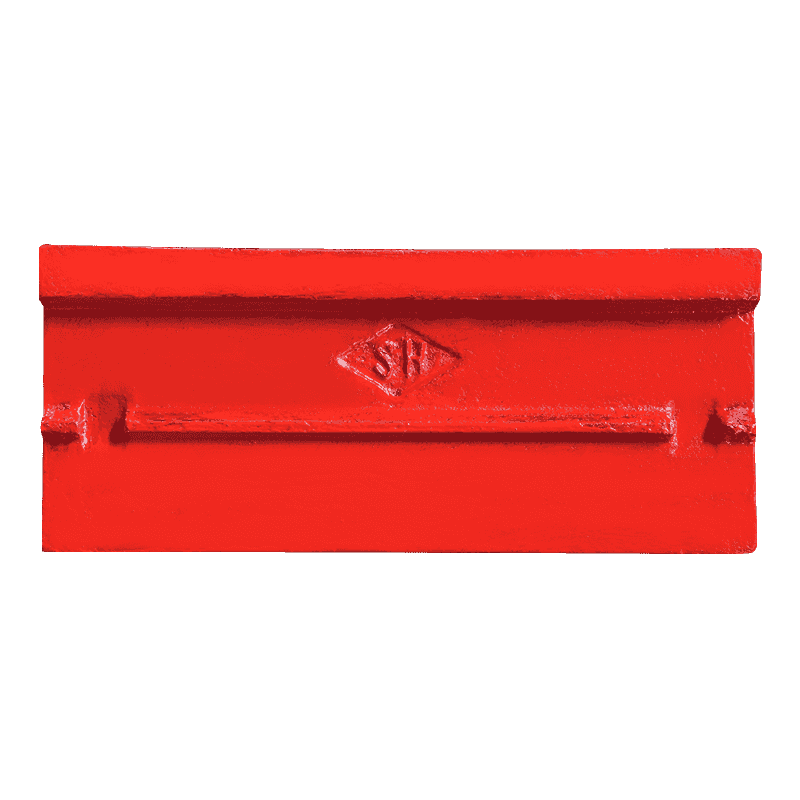
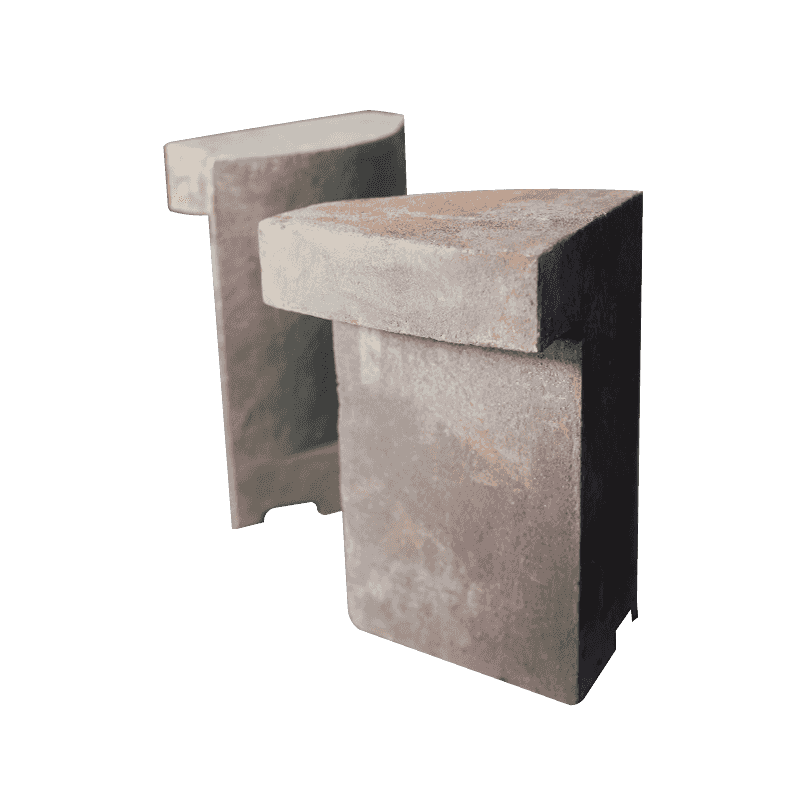
The lining plate is the working face of the impact chamber. Its shape, thickness, and fixing system must match the rotor, the impact plate arrangement, and the expected feed size. A well designed plate spreads the impact evenly, protects the chamber wall, and changes quickly during a planned stop.
| Design feature | Typical value or form | Purpose |
|---|---|---|
| Plate thickness | About 40 to 120 millimetres | Balances wear reserve with weight and cost |
| Impact face profile | Ribbed or smooth with reinforcement | Controls the rebound angle and spreads impact |
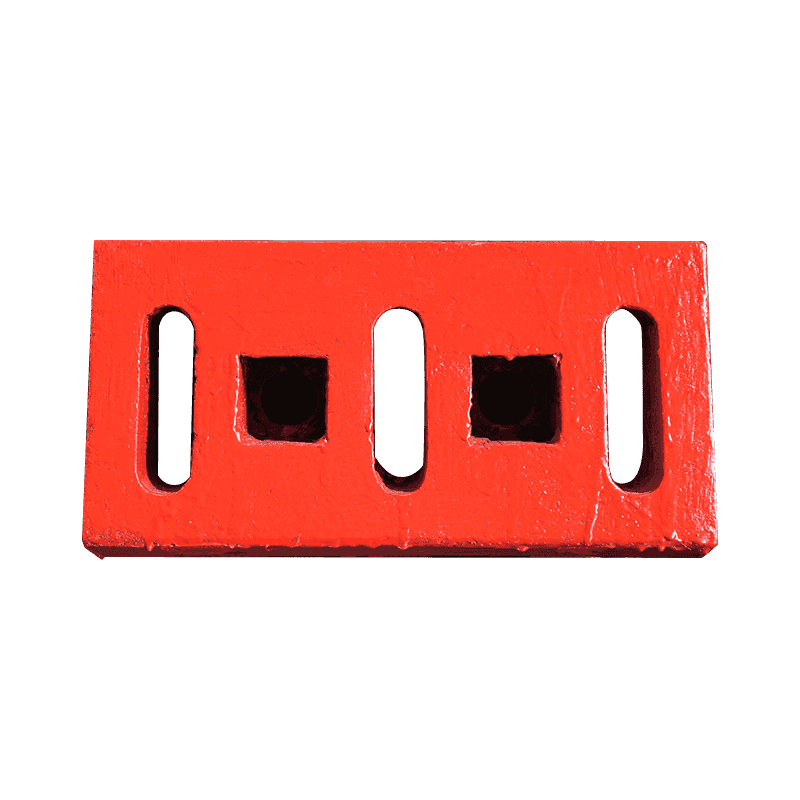
| Fixing system | Bolted with wedges or keys | Holds the plate firmly and allows quick change |
| Back support | Ribs or a steel backing plate | Prevents deflection and cracking |
| Edge detail | Chamfered or stepped edges | Reduces edge chipping during impact |
Thickness is a trade off. A thicker plate gives more wear reserve but adds weight and may reduce the strength of the fixing system. Designers should match the thickness to the rotor speed, the feed size, and the expected wear rate, rather than choosing a single thickness for all duties.
Feed, Speed, and Setting Effects on Lining Life
Lining life depends on the feed and on how the crusher is run. Harder and larger feed increases impact energy, while a higher rotor speed increases the velocity of each strike. Both factors raise the wear rate and can change the way the plate wears across its face.
Feed hardness and size
Limestone and other soft rock produce less impact energy and often give longer plate life, while hard granite and basalt wear plates faster. Large oversized feed can damage the plate edges and the fixing system, so pre screening is often a cost effective step.
Rotor speed
Rotor speed controls the energy of each impact. Running the crusher faster than the design speed shortens lining life, increases fines, and raises the load on the bearings. Speed should be set from the machine maker's data and adjusted only with a clear reason.
Setting and rebound
The setting of the impact plates controls how the rock rebounds into the rotor path. Incorrect setting can send material back into the chamber at speed, which increases wear and can cause rotor damage. Check the setting after each liner change and after any change in feed.
Comparing High Manganese Steel With Other Wear Materials
High manganese steel is not the only option for impact crusher liners. Buyers should compare the main materials against their feed, budget, and the expected impact load. The table below gives a practical overview.
| Material | Strength under impact | Strength under abrasion | Typical use |
|---|---|---|---|
| High manganese steel | Very good, with work hardening | Moderate, improves with impact | Heavy impact and mixed feed |
| High chrome iron | Moderate, more brittle | Very good | Abrasive feed with moderate impact |
| Alloy steel | Good when heat treated | Good | General duty and medium feed |
| Ceramic composite | Limited under heavy impact | Excellent | Specialized wear zones |
For most impact crusher duties in hard rock, high manganese steel offers the best balance of toughness and wear life. For very abrasive feed with low impact, a high chrome or composite material may give longer life. The choice should be tested in the real feed before a full set of liners is bought.
Quality Checks and Inspection Before Installation
A high manganese steel casting should be checked before it is installed, not after it fails. Inspection confirms that the chemistry, the hardness, and the structure match the specification. It also protects the investment in the lining plate and the crusher itself.
- Review the chemical analysis certificate for each heat, and confirm carbon, manganese, and chromium are within the stated range.
- Check the as cast and solution treated hardness on sample pieces, and confirm the core and surface readings are consistent.
- Inspect the casting visually for cracks, shrinkage, cold shuts, and inclusions, paying attention to thick sections and corners.
- Measure the dimensions against the drawing, especially the fixing holes, the wedge faces, and the mounting surface.
- Request ultrasonic or radiographic test results for critical castings, and keep them on the project file.
- Confirm the heat treatment record, including furnace temperature, soak time, and quench conditions.
Installation and Break in Practice
Good installation protects the plate from early damage. A plate that is loose, misaligned, or incorrectly shimmed can move under impact and crack its fixing points. Careful fitting and a controlled start are the simplest ways to protect the first investment.
- Clean the seat and remove any old material, burrs, or weld spatter that could stop the plate from sitting flat.
- Check the fit with a trial placement before final tightening, and correct any gap with suitable shims rather than forcing the plate.
- Tighten the fasteners to the torque specified by the supplier, and recheck them after the first few hours of running.
- Run the crusher at reduced load for the first period, so the surface work hardens gradually.
- Record the install date, the starting hour meter reading, and the wear pattern at the first inspection.
Wear Monitoring and Replacement Planning
A lining plate should be replaced when it reaches its wear limit, not when it breaks. Monitoring the wear pattern tells the operator when the plate is close to the end of its useful life and which zones wear fastest. A simple measurement routine is enough for most plants.
| Check | Frequency | Action when limit is reached |
|---|---|---|
| Plate thickness at key points | Every 200 to 300 operating hours | Plan replacement before the wear limit |
| Crack inspection at edges and fixings | Every shift or daily walk down | Replace or repair cracked plate at once |
| Fixing tightness | Weekly | Retighten and inspect the seat |
| Rotor and chamber clearance | Each liner change | Adjust setting and check rotor condition |
Keeping a record of plate life for each feed type gives the best basis for future buying. Over time, the data show whether a different grade, thickness, or profile gives a lower cost per tonne.
Cost per Tonne and Buying Decisions
The cost of a lining plate is best judged by the cost per tonne of crushed product, not by the price of the casting alone. A plate with a higher price may last longer, reduce downtime, and lower labor cost per change, so the total cost can be lower.
| Option | Plate price | Estimated life in tonnes | Cost per tonne |
|---|---|---|---|
| Basic casting quality | 1,200 US dollars | 45,000 | 0.027 US dollars |
| Controlled quality casting | 1,800 US dollars | 85,000 | 0.021 US dollars |
The figures are hypothetical and show the calculation method only. Each plant should use its own measured plate life and actual quoted prices. Labor and downtime for each change should be added before a final decision is made.
Common Mistakes With High Manganese Steel Linings
Most early failures come from a few avoidable errors. The list below highlights the mistakes that appear most often in impact crusher operations.
- Buying castings on price alone and skipping the chemistry and heat treatment records.
- Installing a plate on a dirty or uneven seat, which causes movement and cracking.
- Running a new plate at full load before the surface has started to harden.
- Using high manganese steel in very abrasive feed with little impact, where wear is faster than expected.
- Leaving a cracked plate in service because the change would stop production.
Storage, Handling, and Transport of Castings
Castings can be damaged before they reach the crusher. A plate that is dropped, stacked badly, or stored in a wet yard may develop cracks or distortion that is not visible until the first impact. Good handling protects the casting and keeps the paperwork matched to the part.
Store castings on flat timber supports, away from the ground and from other metal that could scratch the face. Keep the fixing faces clean and protected from weld spatter and grit. Stacking should be limited to the height recommended by the supplier, and heavier plates should be stored at the bottom.
- Use lifting points or lifting lugs designed for the plate weight, and never lift by the impact face alone.
- Protect the casting from rain and salt air, since moisture can start corrosion on the fixing faces.
- Keep the identification tag and the inspection record attached to each plate until installation.
- Inspect the casting again after transport, especially at corners and thin sections, before it is placed in the chamber.
Clear labelling of each plate by position, grade, and heat number prevents mix ups during a liner change. A simple map of the chamber, kept with the spares, makes the installation faster and reduces the risk of fitting a plate in the wrong place.
Heat Treatment Steps and What to Verify
Heat treatment is the step that turns a raw casting into a usable wear part. The process must be controlled, documented, and repeatable, because even a small deviation in temperature or quench speed can leave carbides in the structure. The steps below describe the usual sequence that a buyer should expect to see recorded.
- Heat the casting slowly in a furnace to avoid thermal shock, especially for large or thick sections.
- Hold the casting at the solution temperature long enough for carbides to dissolve through the full thickness.
- Quench the casting in water quickly and within the time window set by the procedure, so that carbides do not reprecipitate.
- Record the furnace temperature profile, the soak time, the transfer time, and the water temperature for each batch.
- Check the hardness of the cooled casting and confirm that the structure is free of grain boundary carbides on a sample.
Buyers should ask for these records with each batch. A foundry that can show a clear furnace chart and quench log is usually more reliable than one that offers only a final hardness figure.
Frequently Asked Questions
What are High Manganese Steel Castings used for?
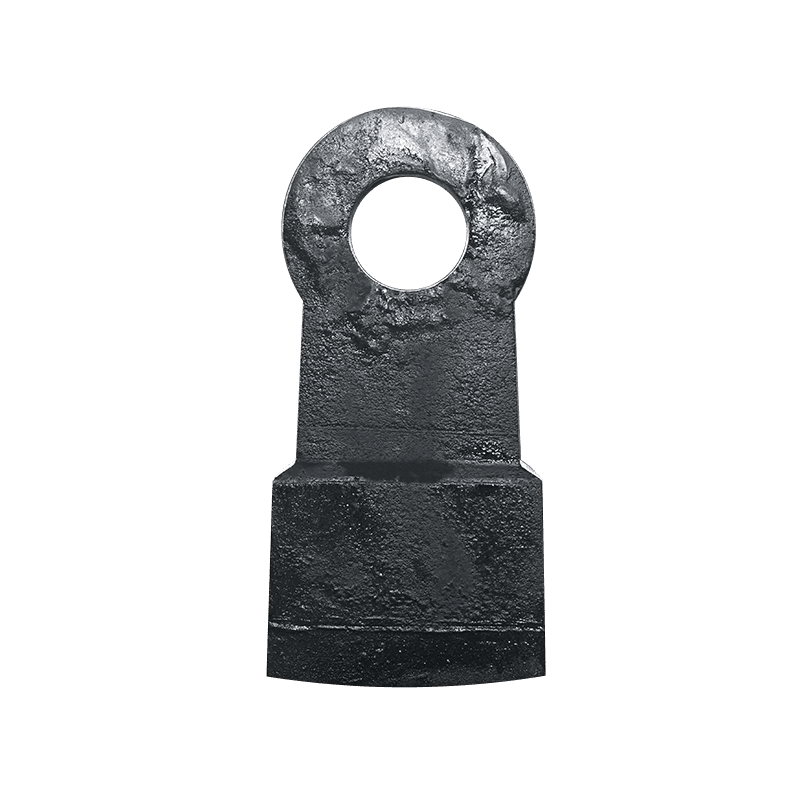
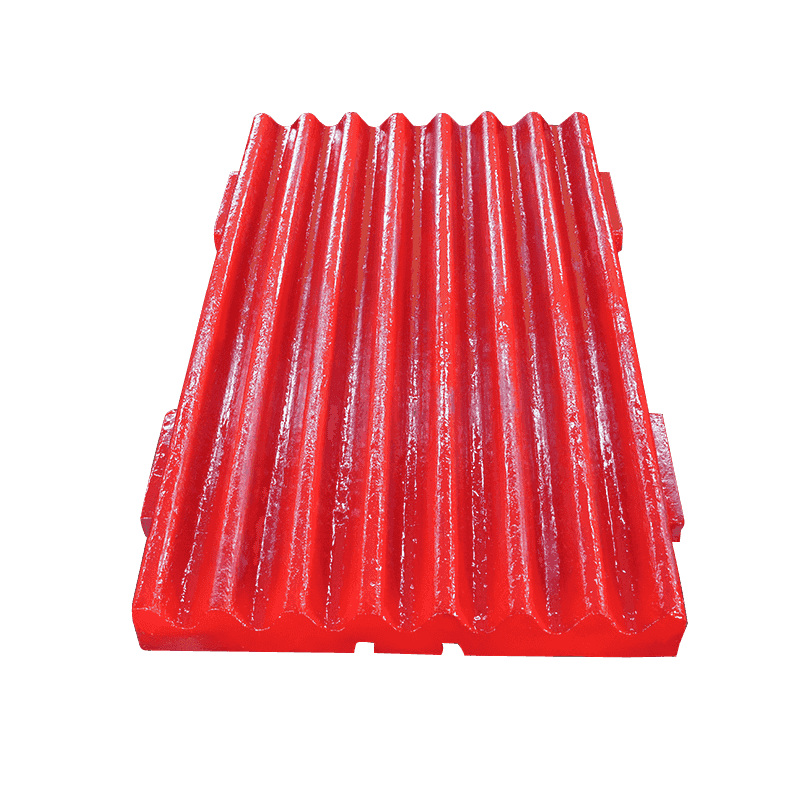
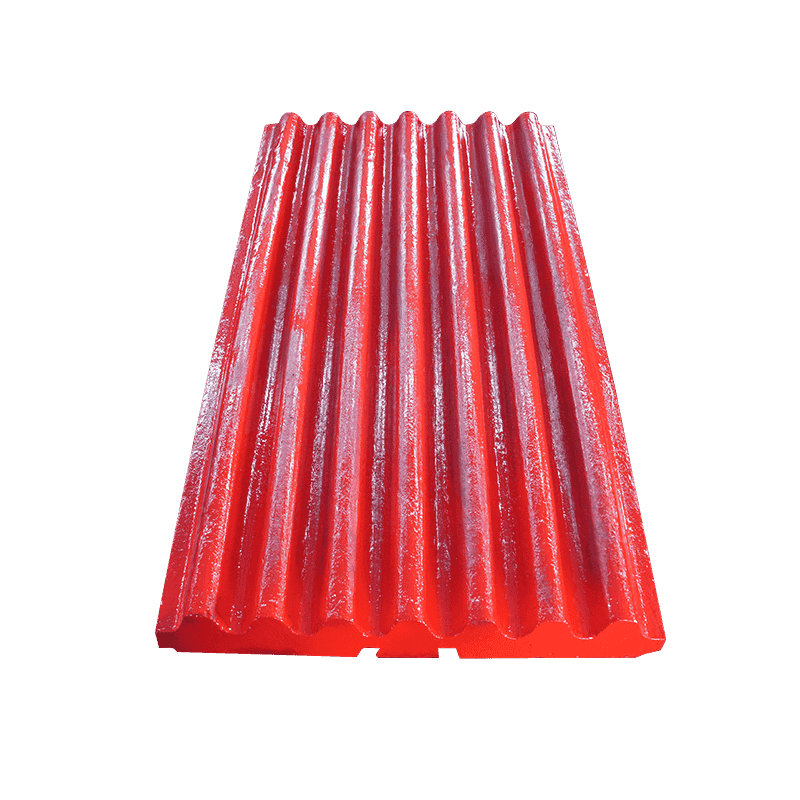
High Manganese Steel Castings are used for impact and shock loaded wear parts, including crusher liners, jaw plates, impact plates, and mining equipment parts that need toughness and surface hardening.
Why does high manganese steel harden under impact?
Repeated impact changes the surface structure of the austenite, creating a harder layer. The core stays tough, so the casting combines wear resistance with the ability to absorb shock.
What hardness can high manganese steel reach?
A freshly cast and solution treated casting is relatively soft, often around 200 HB. Under strong impact the surface can reach roughly 500 to 550 HB, while the core remains near its original hardness.
Which grade should I choose for an impact crusher lining plate?
Mn13 and Mn13Cr2 are common choices for general impact duty. Mn18Cr2 and Mn22Cr2 suit heavier impact, where extra toughness is needed. The grade should be chosen from the feed and the impact energy.
What does solution treatment do?
Solution treatment heats the casting to dissolve carbides and then quenches it in water. This gives the austenitic structure that makes high manganese steel tough and able to work harden.
Why do some plates crack early?
Early cracks often come from casting defects, incomplete solution treatment, a poor fit, loose fixings, or running at full load before the surface has hardened. Checking each of these points reduces the risk.
When should an impact lining plate be replaced?
Replace the plate when it reaches the wear limit set by the machine maker, or sooner if cracks appear at the edges or fixing points. Monitoring thickness at fixed intervals gives the best timing.
Is high manganese steel good for abrasive feed?
It is less suited to very abrasive feed with little impact, because the surface may not harden enough. High chrome or composite materials often give longer life in those conditions.
How can I check the quality of a casting before installation?
Review the chemical analysis and heat treatment records, check the hardness on samples, inspect the casting visually, and measure the critical dimensions. Ultrasonic or radiographic testing adds confidence for critical parts.
What information should I send to request a lining plate quote?
Send the crusher model, the drawing or part number, the feed material and hardness, the rotor speed and setting, the target throughput, and the current wear and life data. Complete information helps the supplier recommend the right grade and design.
Key Takeaways
Choose the grade for the impact, control the casting quality, and monitor the wear
High Manganese Steel Castings give impact zones a tough core and a surface that hardens under strikes. An Impact Crusher High Manganese Steel Impact Lining Plate performs best when its grade, thickness, and fixing system match the feed and the rotor speed, and when the casting has passed chemistry, hardness, and solution treatment checks.
Record plate life, measure wear at fixed intervals, and calculate cost per tonne rather than unit price. A plan built on measured data reduces downtime, lowers cost, and gives the best return on each lining set.